Two Finishes, Two Behaviours
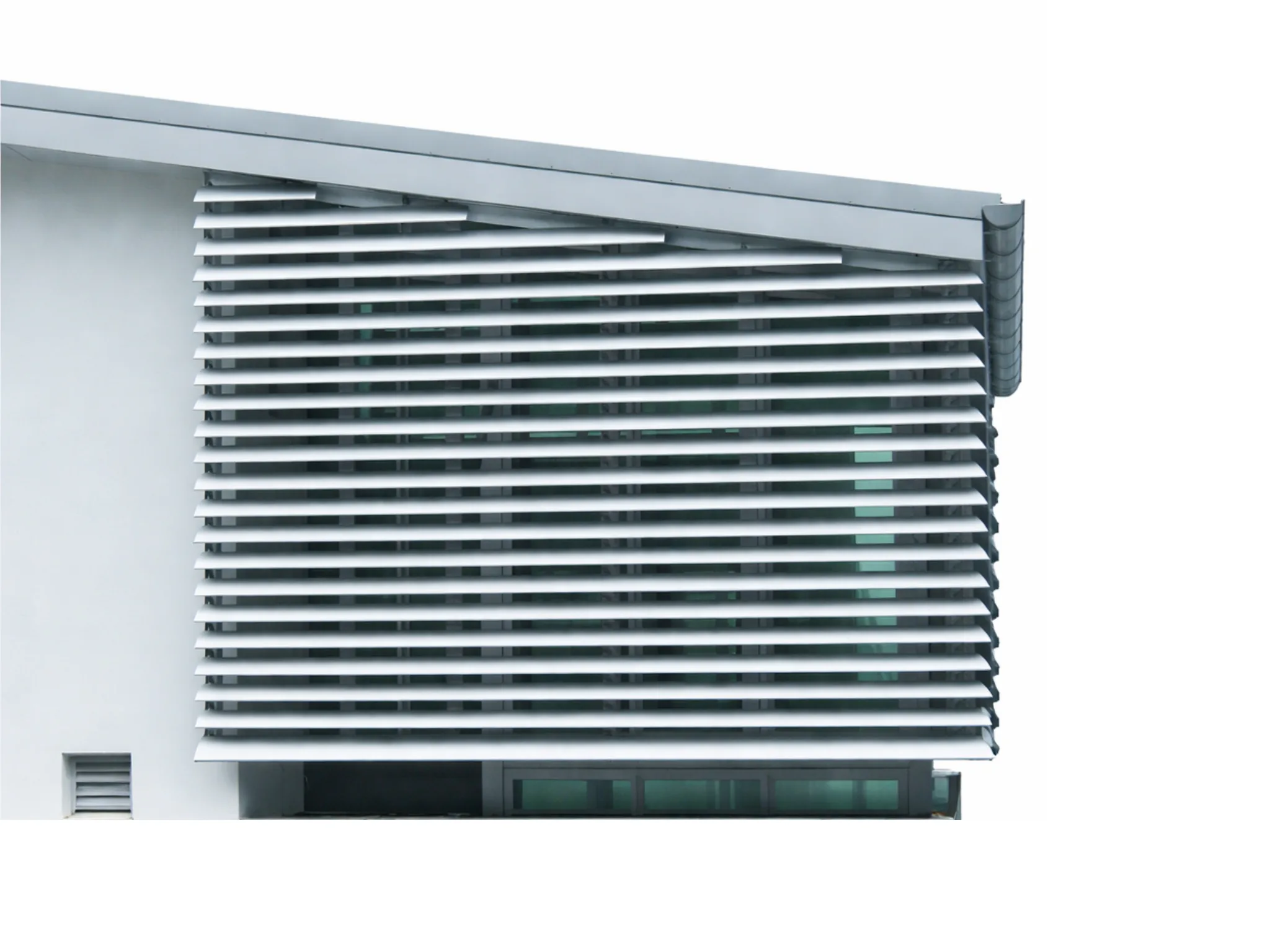
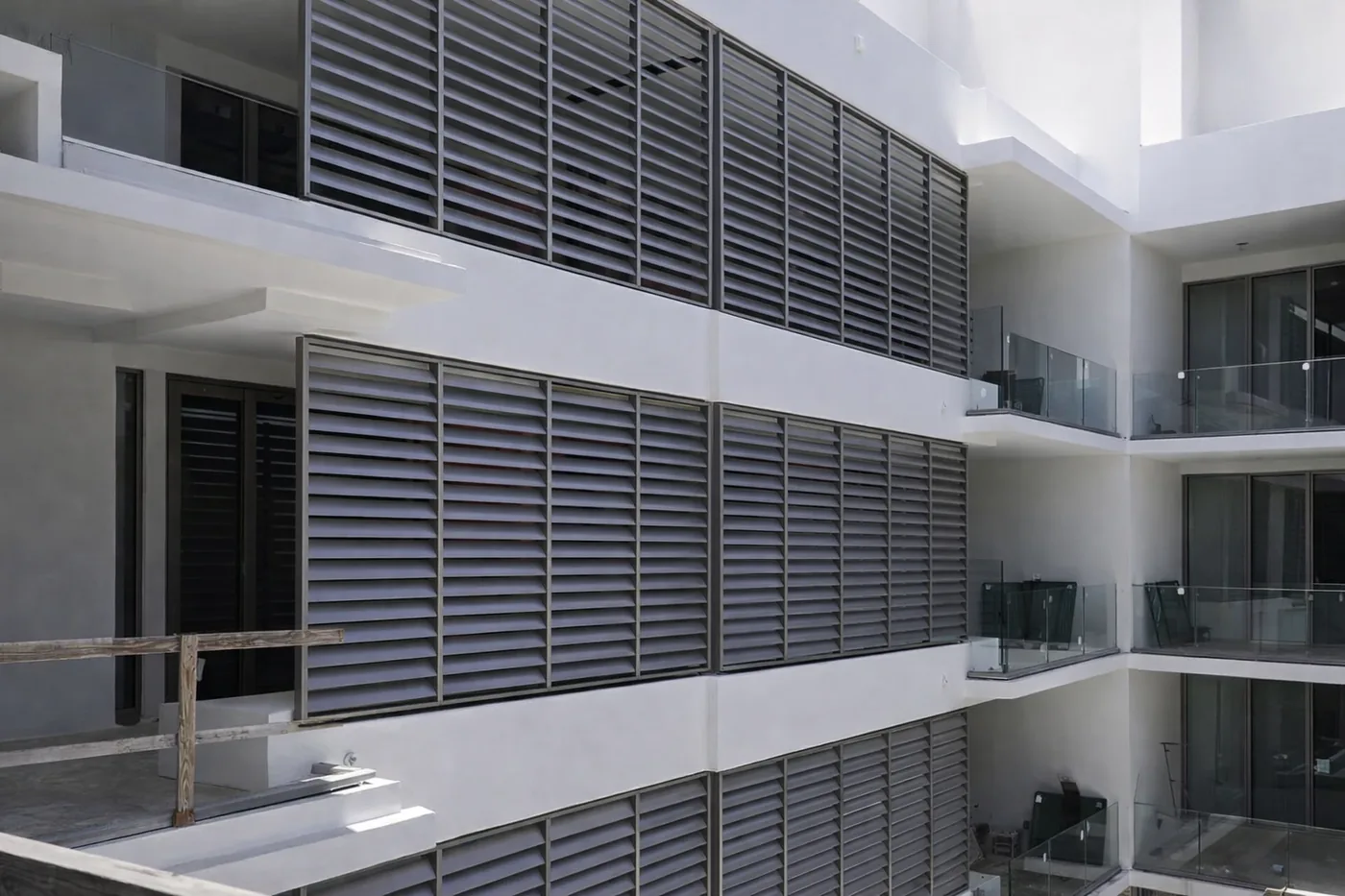
Almost every aluminium louver, fin and facade panel arrives in one of two finishes: anodised or powder coated. They look similar on a sample board but behave very differently over a building's life — in how they resist corrosion, hold colour, and age. Choosing the wrong one for the environment is a mistake you live with for decades, so it is worth understanding what each actually is.
How Each Finish Works
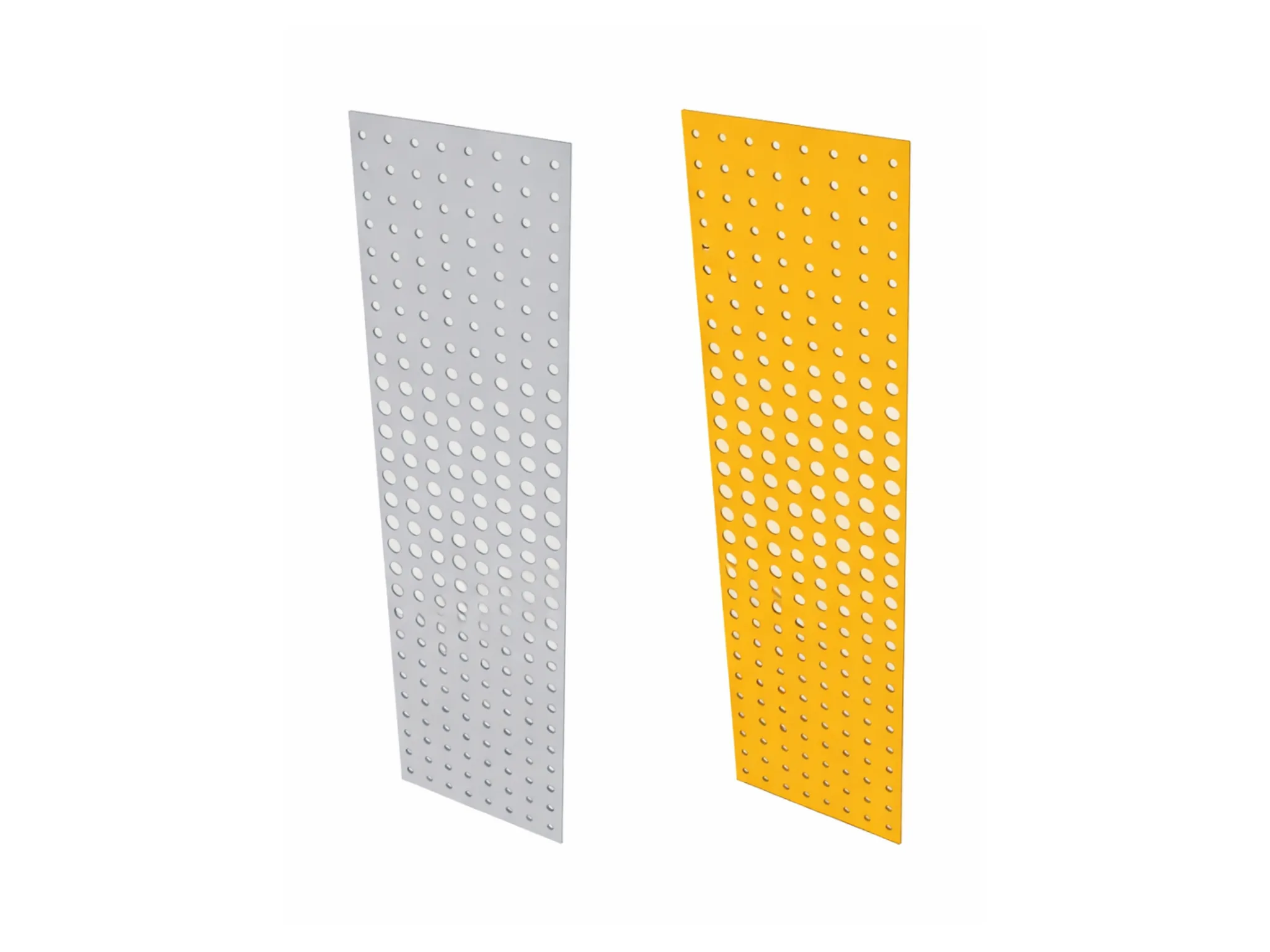
Anodising is an electrochemical process that converts the aluminium surface itself into a hard, integral oxide layer. Because the finish is the metal's surface, it cannot peel or flake. It keeps a metallic appearance and comes in a limited palette (natural, bronzes, black).
Powder coating bonds a separate polymer paint film onto the metal, cured in an oven. It offers virtually unlimited colour (any RAL), a uniform opaque finish, and — in its PVDF/fluoropolymer grade — excellent long-term colour and weather resistance for facades.
Durability and Colour
This is where the choice is really made:
Anodising
- Integral layer — cannot peel or flake
- Excellent abrasion & scratch resistance
- Metallic look; limited colour range
- Superb in abrasive/desert environments
- Can show slight colour variation batch-to-batch
Powder coating (PVDF)
- Any RAL colour, uniform & opaque
- Excellent UV & colour retention (PVDF grade)
- Film can chip if struck; touch-up possible
- Consistent colour across a large facade
- Long facade warranties available
Cost and Lead Time
For standard architectural work the two are broadly comparable in cost, with powder coating often marginally cheaper for common colours and anodising competitive at scale. The bigger differences are colour freedom (powder wins) and surface hardness (anodising wins). Lead time depends on batch size and colour; specifying an early finish decision keeps both on programme.
Which Finish to Choose
- Need a specific brand or design colour? Powder coating (PVDF for facades) — any RAL, consistent across the elevation.
- Abrasive, high-dust or desert site? Anodising — the hard integral surface shrugs off abrasion.
- Metallic architectural look? Anodising — natural, bronze or black metallic finishes.
- Large facade needing colour consistency & long warranty? PVDF powder coating.
- Coastal / marine exposure? Either can work with the right grade and pre-treatment; specify to the exposure and ask for the warranty in writing.
Specify to the environment, not the sample board: the right choice depends on abrasion, UV, coastal exposure and the colour you must hit — not just how the finish looks in the showroom.
KBG Group Finishes
KBG Group supplies aluminium louvers, fins and facade cladding in both anodised and PVDF powder-coated finishes, matched to your environment, colour and warranty requirements. Share your project's exposure and colour, and we'll recommend the right finish and quote the finished product.
Frequently Asked Questions
What is the difference between anodising and powder coating?
Anodising electrochemically converts the aluminium surface into a hard, integral oxide layer that cannot peel, keeping a metallic look in a limited colour range. Powder coating bonds a separate polymer paint film on top of the metal, offering any RAL colour and — in PVDF grade — excellent long-term colour and weather resistance.
Which is more durable, anodised or powder coated aluminium?
Anodising gives superior abrasion and scratch resistance because the finish is integral to the metal and cannot peel, making it excellent for abrasive and desert environments. PVDF powder coating offers excellent UV and colour retention, but its film can chip if struck. The best choice depends on the environment.
Is powder coating or anodising cheaper?
For standard architectural work the two are broadly comparable, with powder coating often marginally cheaper for common colours and anodising competitive at scale. Colour freedom favours powder coating; surface hardness favours anodising.
Which finish is best for a desert or high-dust site?
Anodising is generally preferred for abrasive, high-dust and desert environments because its hard, integral oxide surface resists abrasion far better than a coated film.
What is PVDF powder coating?
PVDF (polyvinylidene fluoride, a fluoropolymer) is a high-performance powder-coating grade used on facades for its excellent UV stability and long-term colour retention, often backed by 20-year-plus colour warranties.