
Noise Control Systems
Engineered acoustic enclosures and noise barrier systems achieving 20–35 dB(A) insertion loss. Compliant with CPCB noise emission norms, IS 9901, and NGT directives for highway and industrial environments.
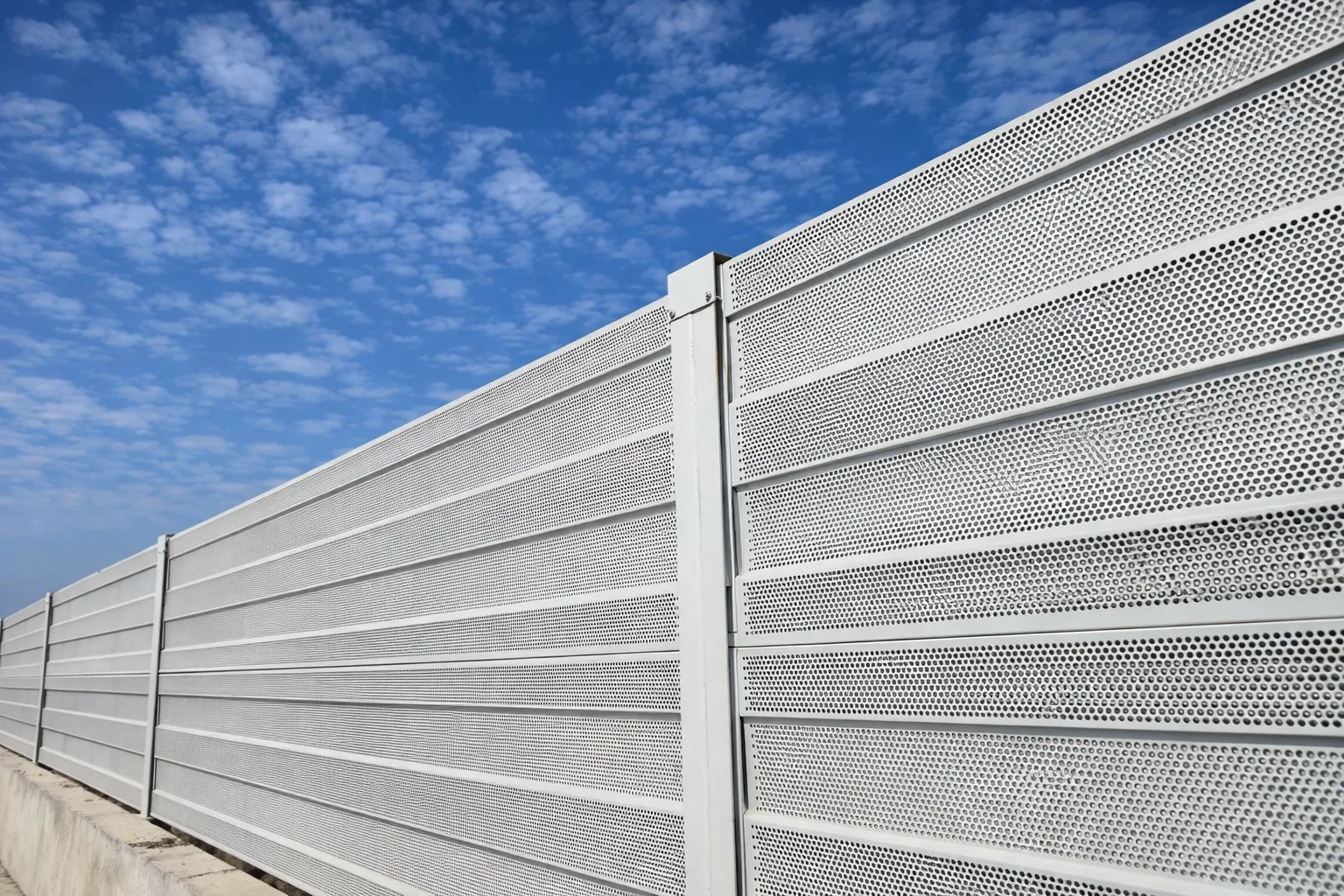
Highway Noise Barrier
Highway & Urban Traffic Noise Control
Primarily absorptive barriers installed along highways and roads to deflect traffic noise. Available in mono-absorbent or bi-absorbent designs depending on noise direction.
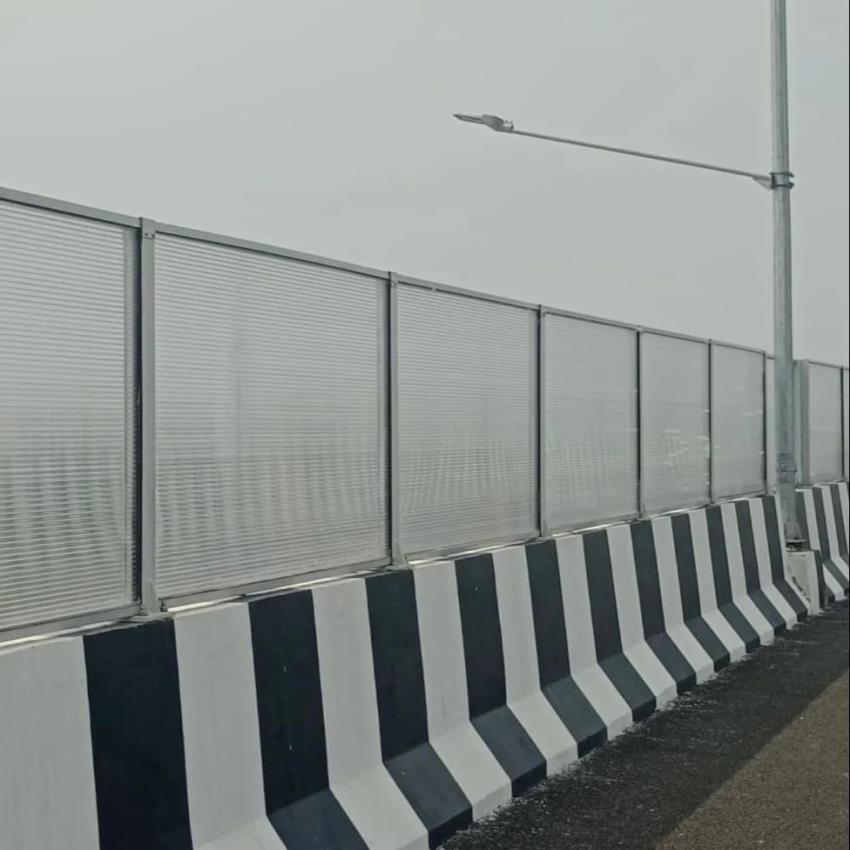
Polycarbonate Noise Barrier
Transparent Noise Control with High Impact Strength
Transparent or translucent barriers that reduce noise while maintaining visibility and up to 95% light transmission. UV-protected and ideal for urban roads and flyovers.
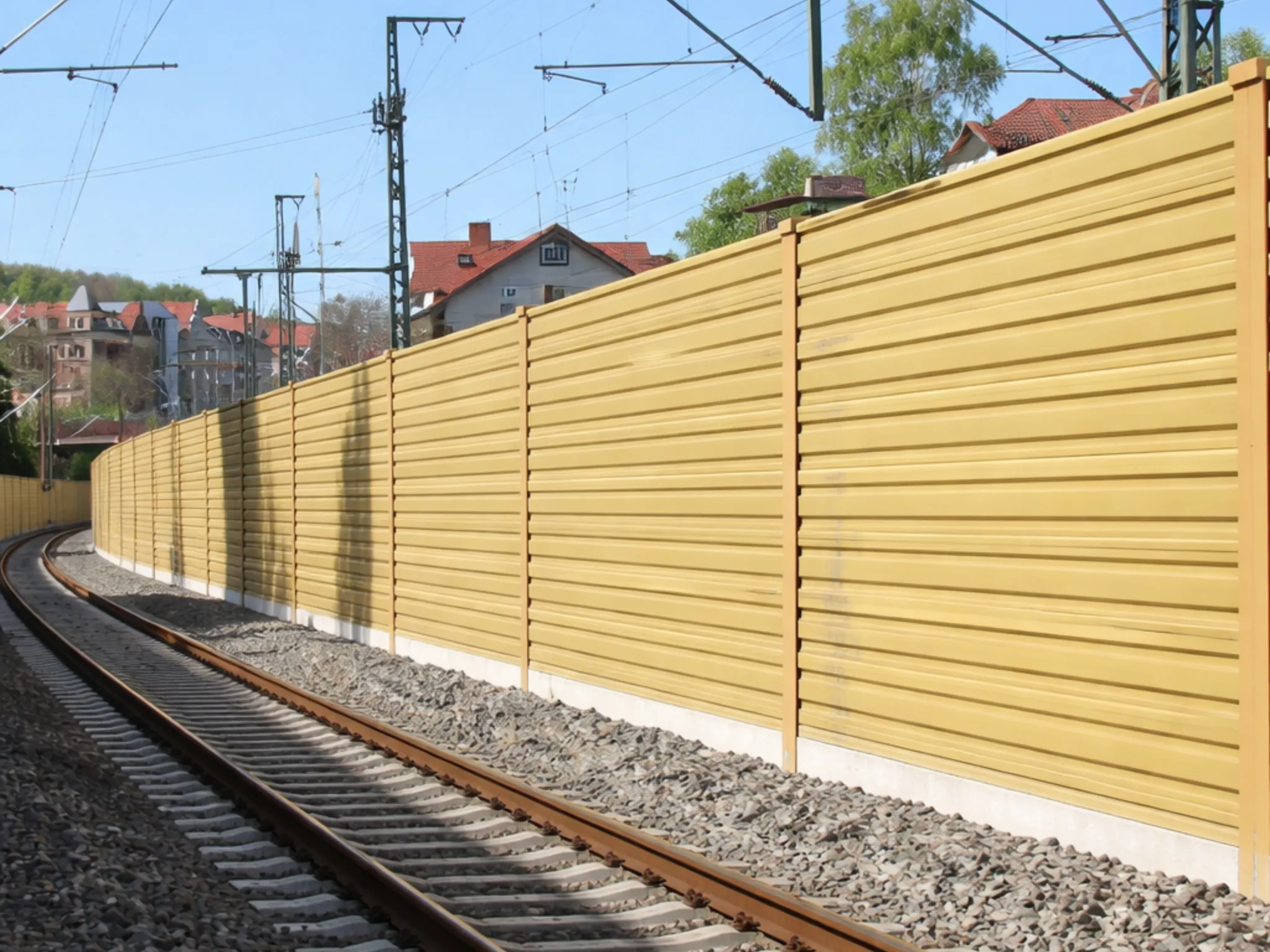
Railway Noise Barrier
Specially Engineered for Railway Corridors
Minimizes sound pollution from train operations in urban areas. Integrates seamlessly with existing railway infrastructure and withstands vibration and weather exposure.
 CPCB
CPCB
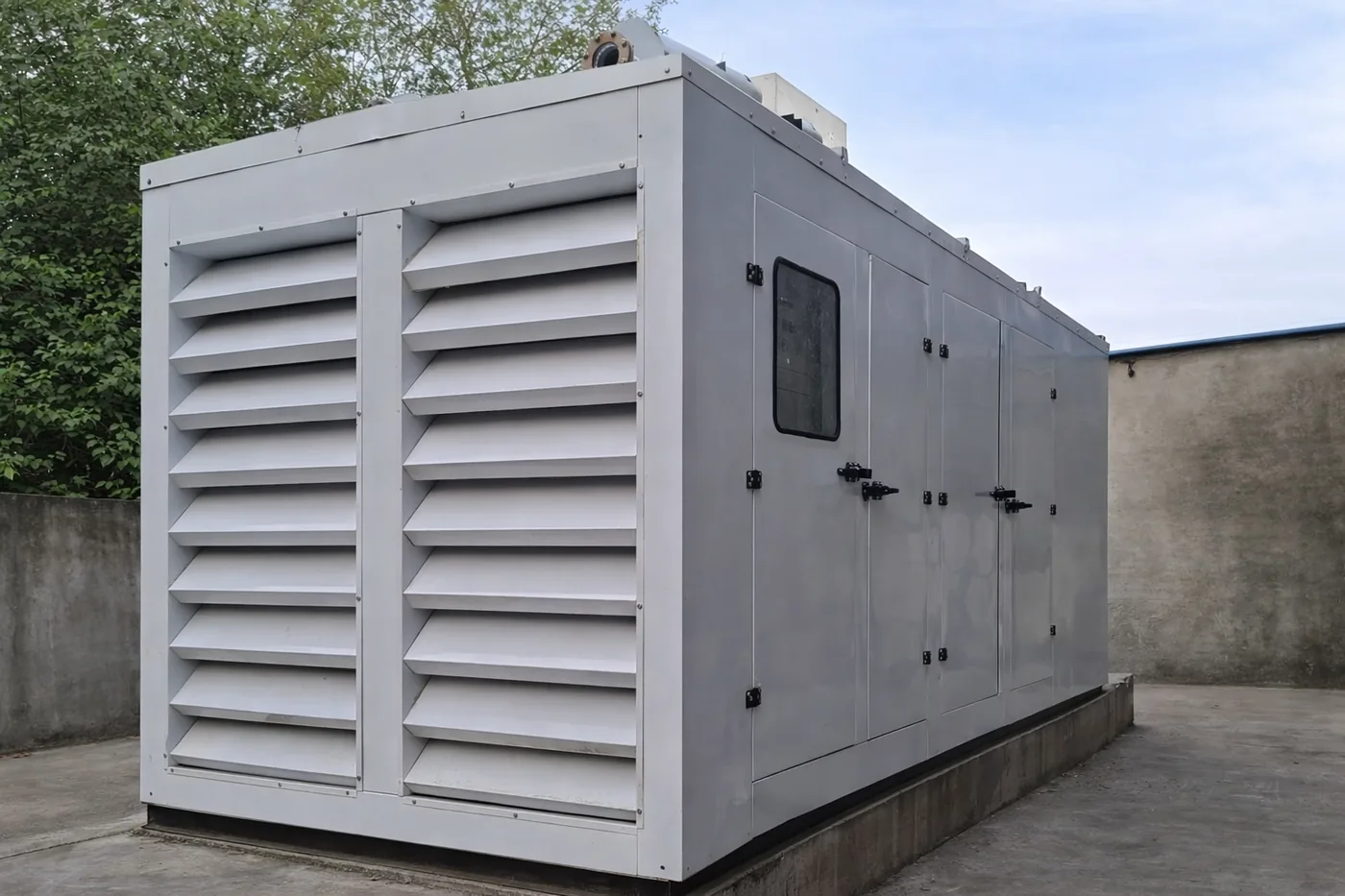
DG Set Acoustic Enclosure
CPCB-Compliant Diesel Generator Noise Control
Weatherproof acoustic enclosures for diesel generator sets, engineered to meet the CPCB 75 dB(A) at 1 m limit. Integrated acoustic ventilation louvers are sized to the radiator and combustion-air demand so the engine is never derated.
 HVAC
HVAC
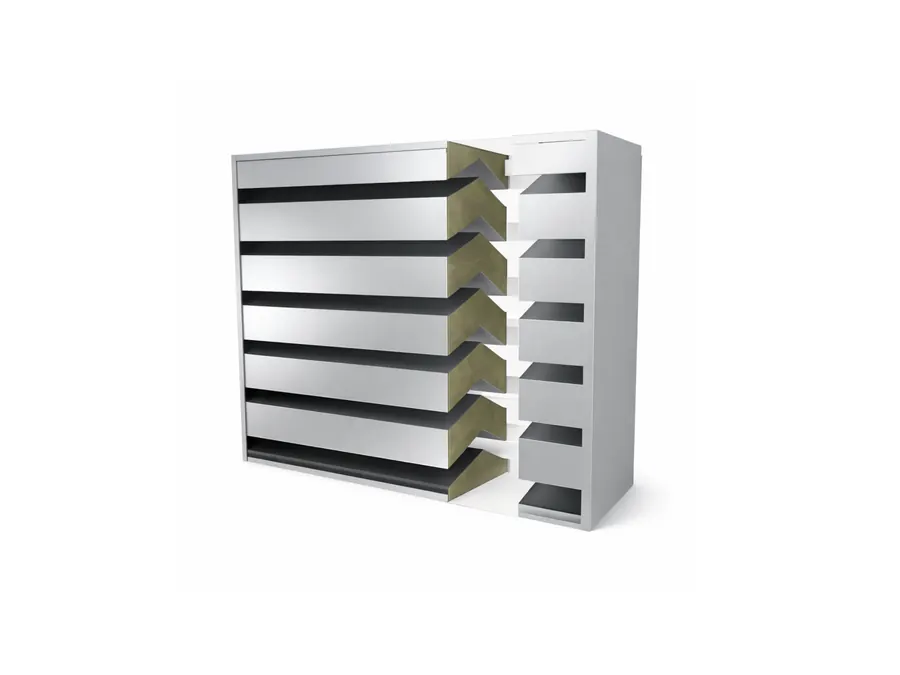
Chiller Plant Acoustic Enclosure
Chiller, Pump & HVAC Plant-Room Noise Containment
Modular acoustic enclosures that surround chillers, pumps and HVAC plant to contain compressor and fan noise at the source, with integrated acoustic louvers and access doors so the plant still breathes and stays serviceable.
 COOLING
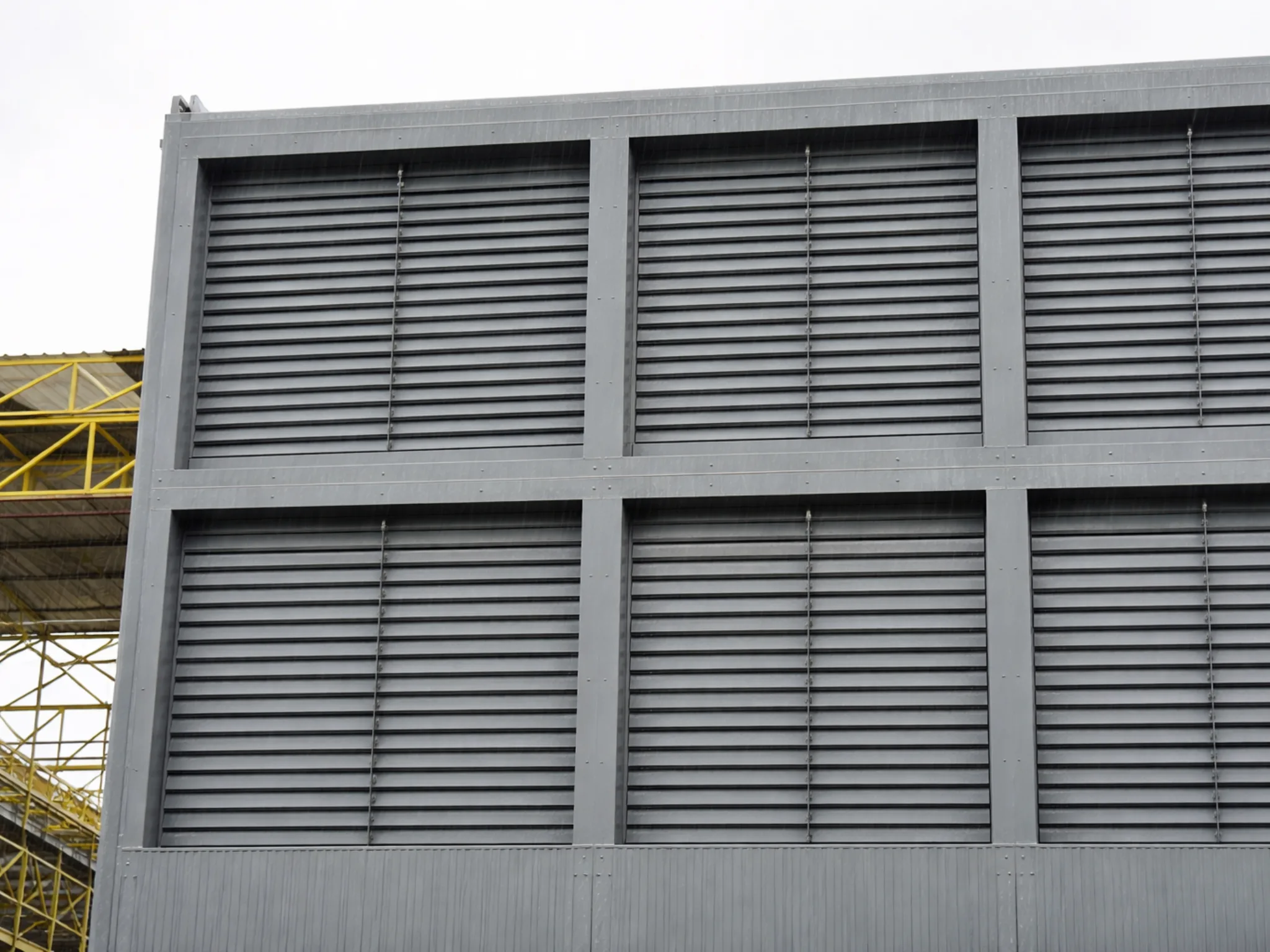
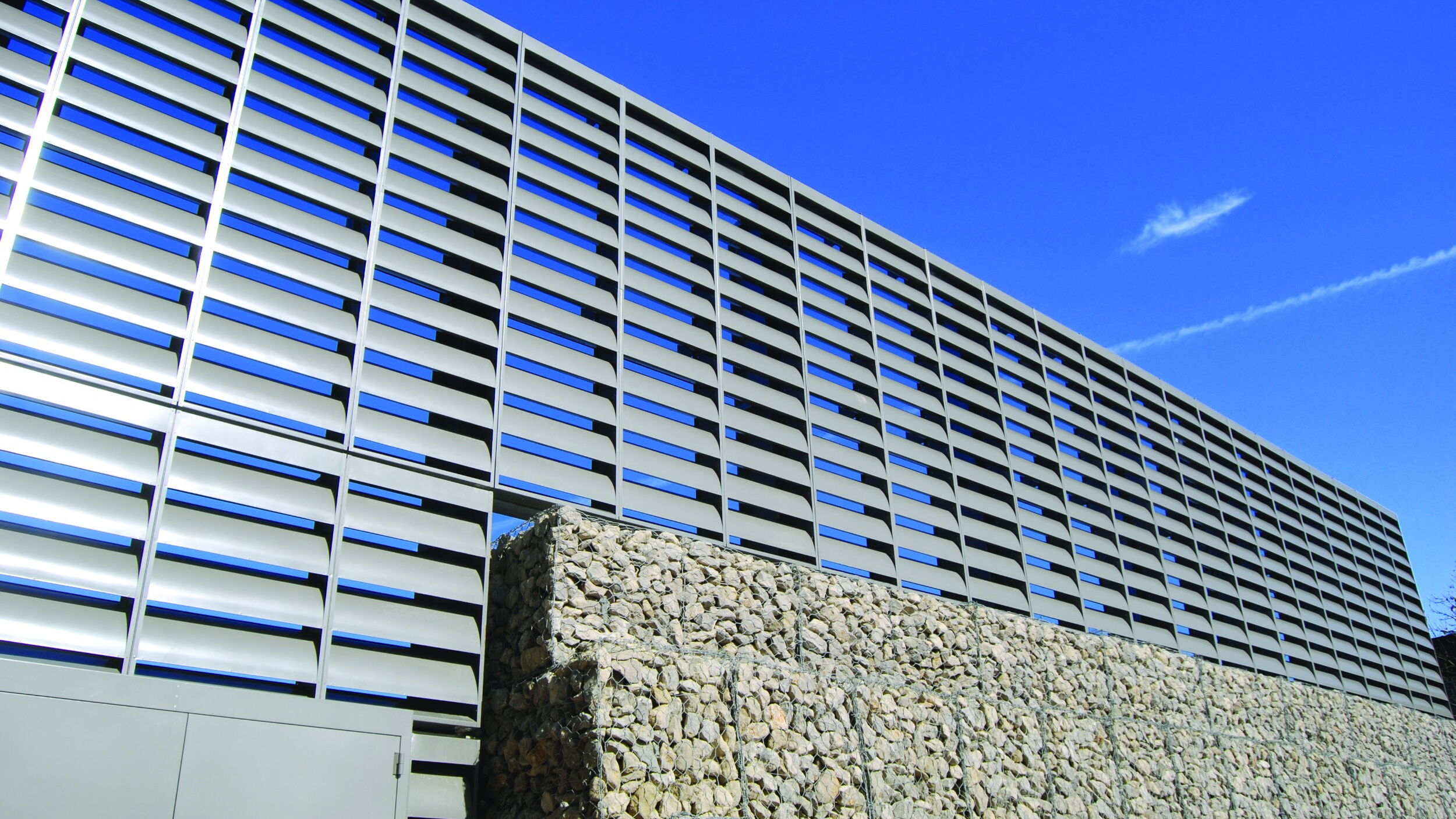
Acoustic Louver Wall
Ventilated Sound-Attenuating Walls for Cooling Plant
Free-standing acoustic louvered walls for cooling towers, condenser yards and open plant areas — attenuating equipment noise at the boundary while allowing the high airflow that cooling plant needs to perform.
 INDUSTRIAL
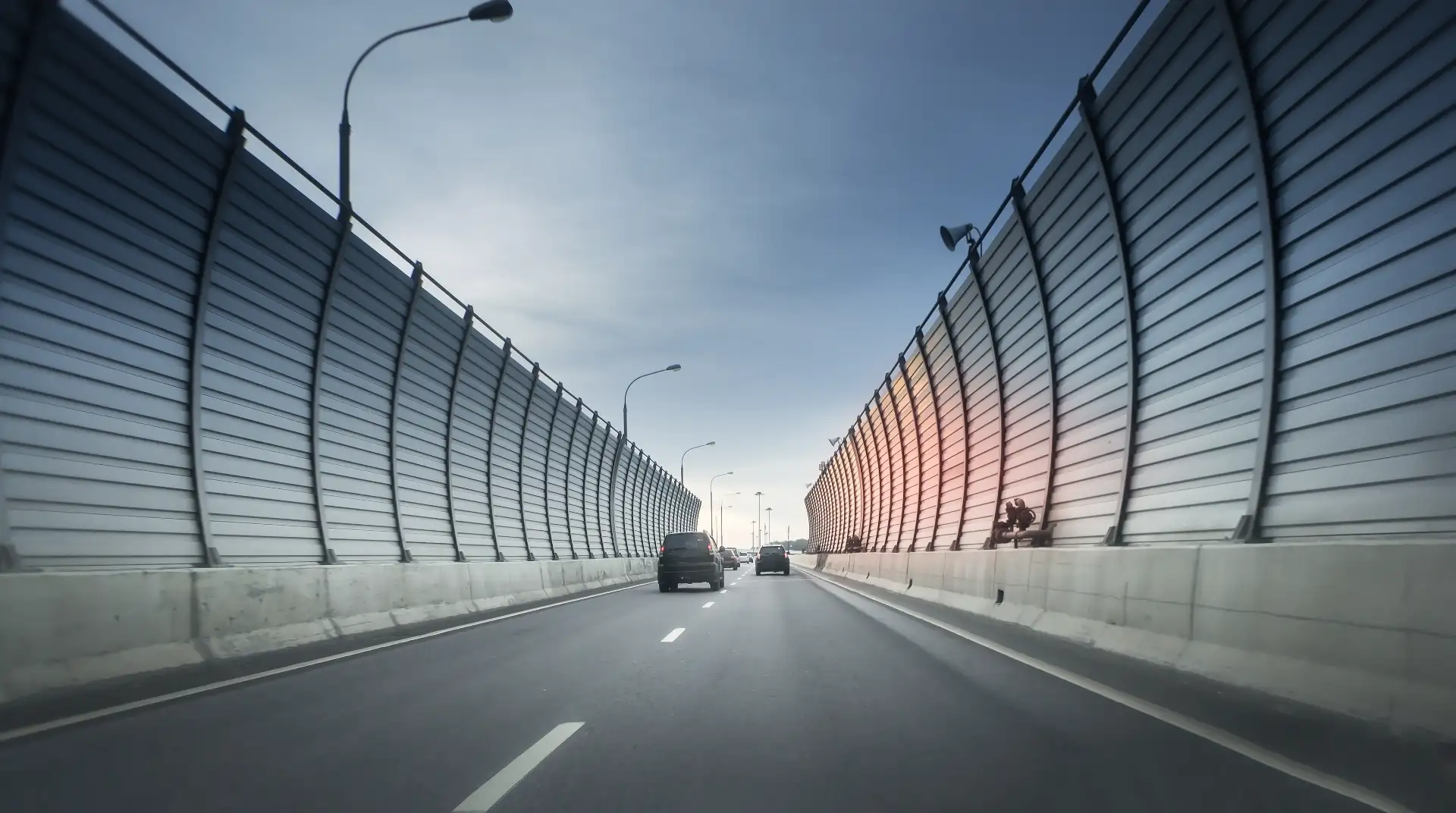
Industrial Acoustic Cladding
Sound-Absorptive Wall & Ceiling Lining
Perforated aluminium acoustic cladding lined with mineral wool, fixed to the walls and ceilings of compressor rooms, pump houses and production halls to cut reverberation and lower the overall sound-pressure level in noise-generating areas.
 NGT
NGT
Portable Acoustic Barrier
Modular Temporary Barriers for Construction Sites
Free-standing, reusable acoustic barrier panels for construction and demolition sites — rapidly deployed around piling rigs, DG sets and breakers to contain noise at the boundary and meet NGT and CPCB construction-noise limits.
 HVAC
HVAC
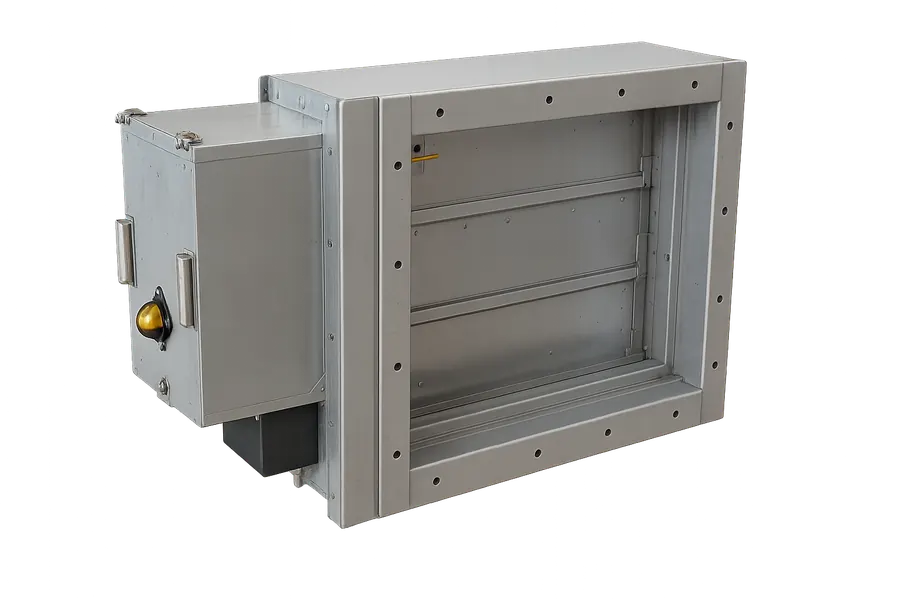
HVAC Duct Silencer
Rectangular & Circular In-line Sound Attenuators
In-duct silencers that cut fan, AHU and airflow noise inside HVAC ductwork without choking airflow — available as rectangular splitter or circular pod attenuators, sized to the duct velocity and the target insertion loss.
 COOLING
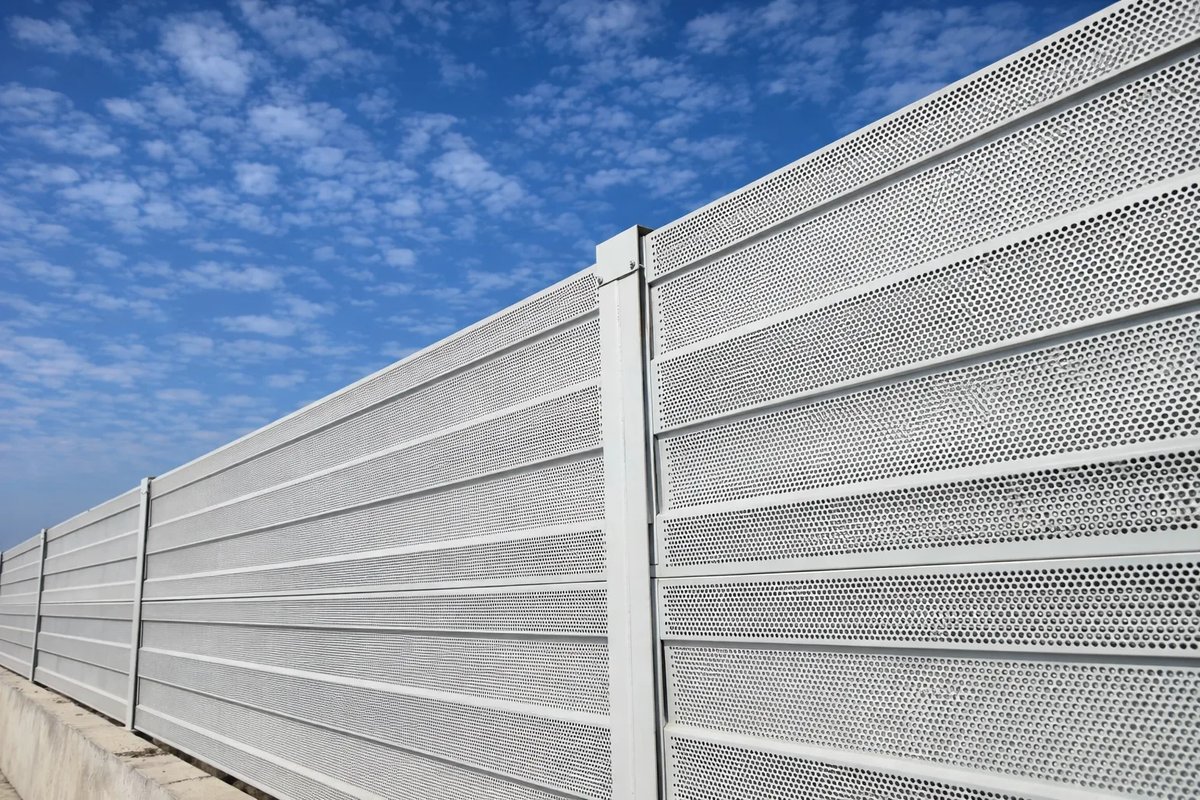
Cooling Tower Acoustic Barrier
Boundary Noise Control for Cooling Towers & Condensers
Absorptive acoustic barrier walls positioned around cooling towers and condenser banks to knock down fan and falling-water noise at the plant boundary, engineered to keep airflow to the towers unrestricted.
Technical Specifications
Standard parameters. All products manufactured to custom specifications upon requirement.
| Sound Insertion Loss | 20–35 dB(A) (design-specific) |
| Panel Material | Galvanized steel / Aluminium composite |
| Core | Mineral wool (48–96 kg/m³) / Rockwool |
| Height Range | 1.5m – 6m (highway panels) |
| Wind Load | Up to 1.2 kPa (IS 875 Part-3) |
| Surface | Powder coat / PVC film / Natural mill |
| Fastening | M16 bolt-fixed to W-beam or RCC posts |
Standards & Compliance
- IS 9901 Acoustics — Measurement of Sound Attenuation of Highway Noise Barriers
- CPCB E (P) Act Central Pollution Control Board Noise Emission Norms
- NGT Orders National Green Tribunal Noise Directives
- MORTH IRC-SP-66 Guidelines for Use of Flyash in Road Embankments & Noise Barriers
- IS 9901 Acoustics — Measurement of Sound Absorption in a Reverberation Room
Key Applications by Sector
Key Advantages
What makes KBG noise control systems the specification-grade choice for consultants, EPC contractors and procurement teams.
Noise Barrier & Acoustic Enclosure Manufacturer — India Supply
KBG Group is a specialist noise barrier manufacturer and acoustic enclosure supplier in India, delivering highway noise barriers, acoustic louvers, DG-set enclosures and railway barriers compliant with CPCB, NGT and MORTH norms.
From acoustic study to installed system, we manufacture to IS 9901 / EN 1793 insertion-loss targets and supply pan-India for highways, metro corridors, power plants and housing societies — backed by test data and full technical support.
Request a quote or specification support →
Noise barrier manufacturer in India — buyer's guide →
Specialised manufacturing pages:
Acoustic Enclosure Manufacturer ·
Chiller Acoustic Enclosure ·
Acoustic Louver Manufacturer ·
Noise Barrier Manufacturer
Why specify KBG
- Made in India In-house manufacturing, Mumbai
- ISO 9001:2015 Certified quality system
- Project Supply Custom-engineered to drawings
- India + GCC Pan-India delivery & export
- Test Data Full submittal & certification
Noise Barriers & Acoustic Systems — FAQs
Selection guidance and common specification questions for consultants, contractors and procurement teams.
How much noise reduction can a KBG barrier achieve?
Insertion loss depends on barrier height, mass and geometry relative to source and receiver. Typical highway barriers deliver 10–20 dB(A) of insertion loss at the receiver; taller or absorptive designs achieve more. We size the barrier from a project-specific noise study rather than a generic figure.
Which standards apply to highway noise barriers in India?
Design and installation follow MoRTH specifications and IRC:SP:66 guidance, with acoustic and structural material performance to IS 9901 and relevant ISO/EN test methods for sound absorption and insulation.
Reflective or absorptive — which barrier do I need?
Reflective panels (metal or transparent polycarbonate) are lower cost and suit open situations. Absorptive panels (perforated aluminium with a mineral-wool core) are used where reflected noise to the opposite side must be controlled — for example between carriageways or near dense housing.
Do you carry out a noise study before quoting?
Yes. We assess source levels, road/rail geometry and receiver locations to determine the barrier height and length needed to meet the target level, so the design is defensible to the authority and not over- or under-built.
What materials and finishes are available?
Aluminium, galvanised steel and transparent polycarbonate panels, with powder-coat or PVDF finishes for long outdoor life. Absorptive cores are non-hygroscopic and drained for highway exposure.
Request a Technical Quotation
Submit your project drawings for noise level assessment and barrier design recommendation.