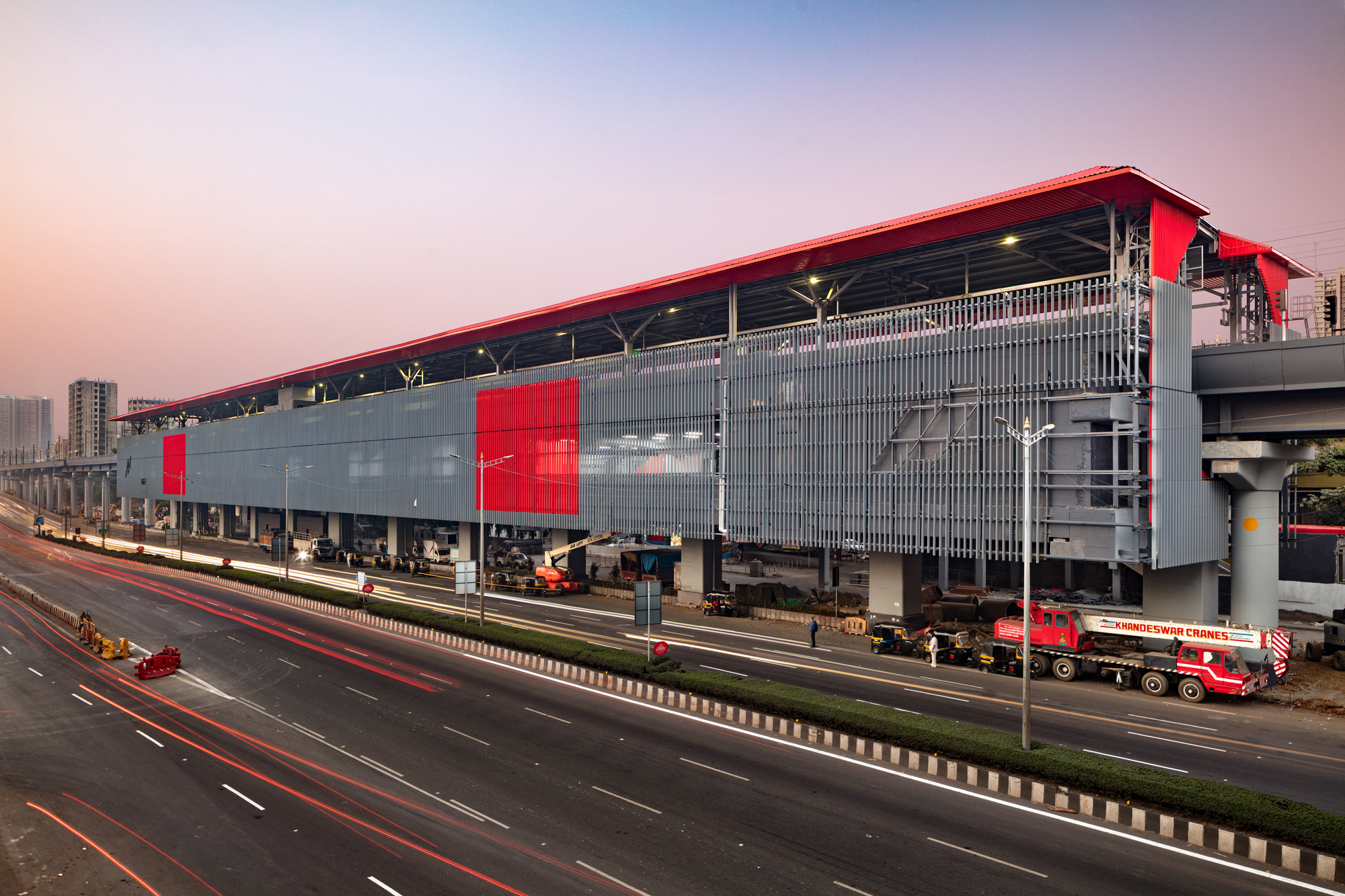
India's urban metro network is one of the largest infrastructure investment programmes in the country's history. With metro systems operational or under construction in over 20 cities, the demand for high-performance ventilation louvers has created a substantial market for manufacturers who can deliver at infrastructure scale — with the quality, compliance documentation, and installation capability that metro projects demand.
Metro Rail: A Global Building Boom
- Around 200 cities worldwide operate metro systems, together moving more than 150 million passengers every single day.
- India runs one of the world's fastest-growing metro programmes — from about 250 km of network in 2014 to well over 900 km operational today.
- Delhi Metro was the first rail project in the world registered for carbon credits under the UN's Clean Development Mechanism.
- Underground station ventilation is designed twice over: once for daily passenger comfort, and once for emergency smoke extraction.
Louvre Performance Standards: EN 13030 & AMCA 500-L
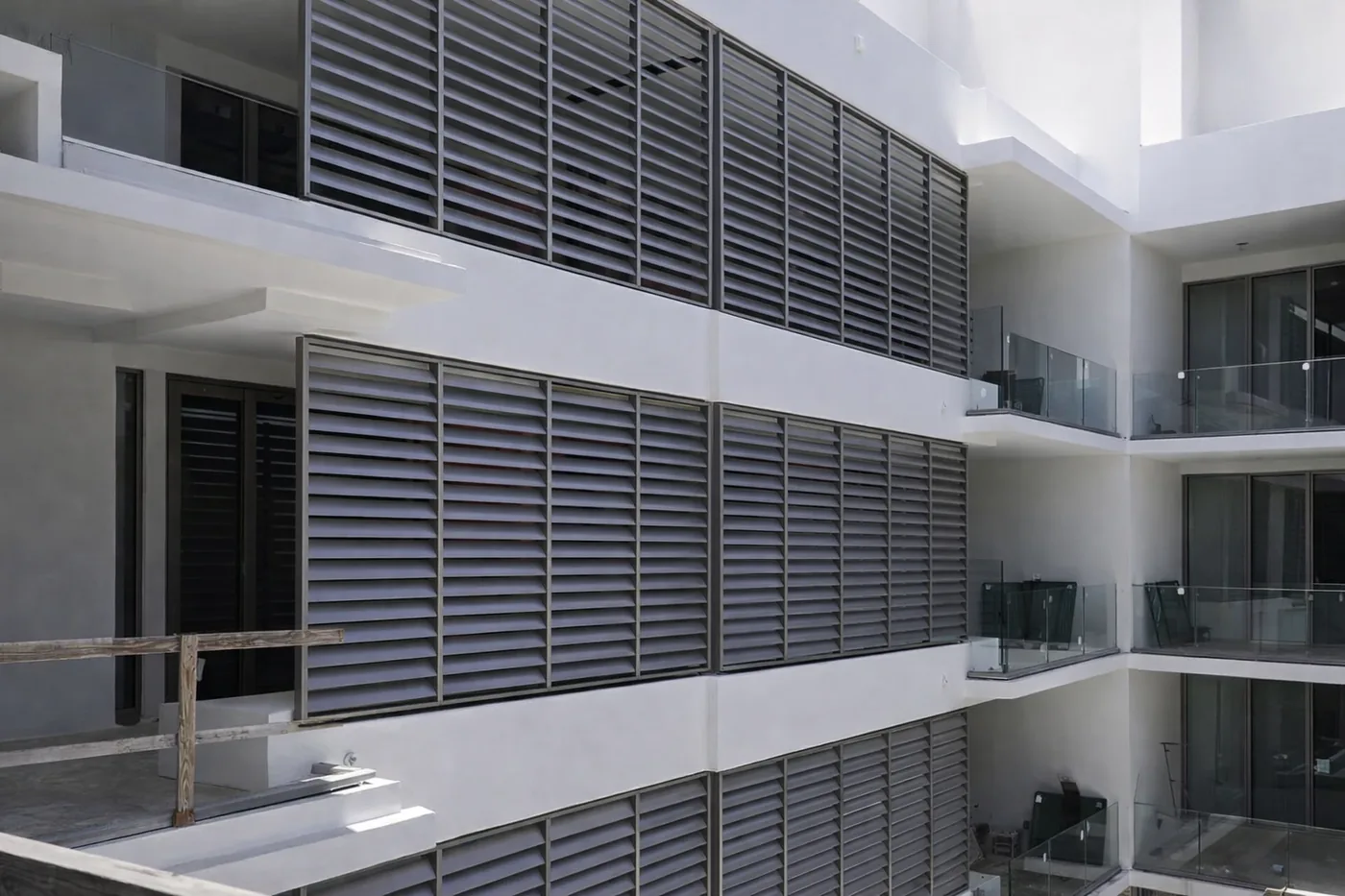
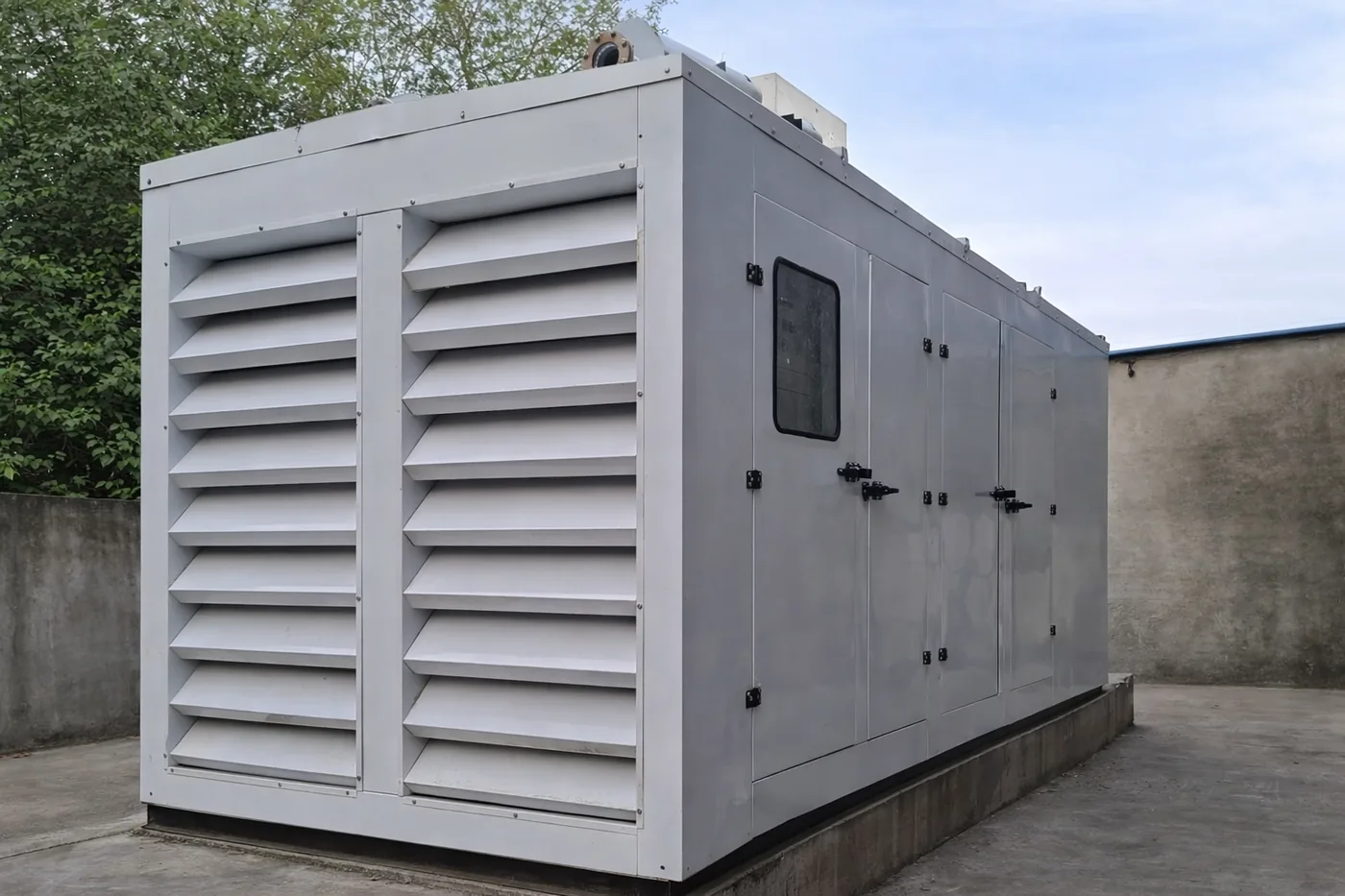
Metro ventilation louvers are specified to BS EN 13030 and AMCA 500-L, the recognised louvre performance test standards, which together define water-penetration effectiveness under simulated wind-driven rain and air-performance and free-area behaviour. For metro applications, the key parameters include free area ratio (typically 45–55% of the total face area), water penetration resistance under simulated rainfall, structural load capacity for wind and piston-effect pressures in tunnels, and material specifications for the louver blades and frame.
These standards require manufacturers to provide test certificates from NABL-accredited laboratories demonstrating the rated free area and water-penetration class.
AMCA 500-L: Understanding Water Penetration Classes
The Air Movement and Control Association (AMCA) Standard 500-L provides a detailed, reproducible testing protocol for louver water-penetration performance. It classifies louvers by their water penetration resistance at specific air velocities. Class A louvers begin water penetration at the lowest test velocity, while Class C louvers resist water penetration at the highest velocities. For underground metro station applications where water ingress must be minimised, specifying AMCA Class B or Class C louvers is recommended, particularly for intake louvers at street level that are directly exposed to rainfall.
Aluminium Alloy Selection: 6063-T6 vs 6061-T6
The choice of aluminium alloy significantly impacts the louver's structural performance, corrosion resistance, and cost. 6063-T6 is the most commonly specified grade for standard louver blades, offering a tensile strength of 215 MPa, excellent extrudability for complex blade profiles, good anodizing response, and adequate corrosion resistance for most environments. 6061-T6 offers higher tensile strength at 310 MPa, making it suitable for structural frames and applications requiring greater load-bearing capacity, particularly in high wind-load environments or where louvers span large openings without intermediate supports.
For metro projects, 6063-T6 blades with 6061-T6 frames provides the optimal combination of performance and cost-effectiveness.
6063-T6 — blades
- Tensile strength 215 MPa
- Excellent extrudability for complex blade profiles
- Good anodising response
- Adequate corrosion resistance for most environments
6061-T6 — frames
- Higher tensile strength 310 MPa
- Suited to structural frames & load-bearing
- Best for high wind-load environments
- Spans large openings without intermediate supports
DMRC and MMRC Supplementary Specifications
Metro rail corporations in India have developed their own supplementary specifications that often exceed the base EN 13030 / AMCA 500-L requirements. The Delhi Metro Rail Corporation (DMRC) and Mumbai Metro Rail Corporation (MMRC) specifications typically include enhanced wind load requirements accounting for piston-effect pressures from train movement, seismic design requirements per IS 1893, specific surface treatment requirements (minimum 20μ anodized or PVDF powder coating), and more stringent water penetration limits for underground station applications.
Contractors should obtain the specific metro corporation's General Specification document and verify all supplementary requirements before preparing their submittal.
Preparing a Winning Submittal
A strong technical submittal for a metro ventilation louver package should include material test certificates for the specified aluminium alloy grades, third-party NABL-accredited test reports for free area ratio and water penetration, structural calculations demonstrating compliance with wind load and seismic requirements, surface treatment specification and warranty documentation, a production schedule aligned with the project construction programme showing phased delivery across stations, and reference project documentation showing similar-scale metro installations with quantities delivered.
KBG Group's Metro Louver Solutions
KBG Group has delivered ventilation louver systems for metro projects across India, with proven capability in large-volume production and phased delivery across multiple stations. Our ISO 9001:2015 certified manufacturing facility in Nashik is equipped with CNC fabrication lines for precision aluminium louver production. We provide a complete turnkey scope — from engineering and manufacturing to pan-India logistics and on-site installation with our own erection teams.
When the same company manufactures and installs, field adjustments happen instantly without the coordination delays and blame-shifting that occur when supply and installation are split between different vendors. For a metro project quotation, contact our technical team with your metro line details, station count, louver type, and delivery schedule requirements.