Why Cooling Towers Trip Noise Complaints
Cooling towers and air-cooled chillers combine large fans with falling water — a broadband noise source that runs day and night. On a rooftop or plot boundary near residences, they routinely exceed the CPCB night limit and draw complaints. The fix is an acoustic barrier or enclosure engineered to cut noise without starving the equipment of the air it needs.
How Loud, and Against What Limit
Cooling towers and chillers typically produce 80–95 dB(A) at 1 m. The target is the CPCB boundary limit for the zone — as low as 55 dB(A) day / 45 dB(A) night in residential areas — so 15–25 dB(A) of attenuation is often required at the boundary.
Barrier or Full Enclosure?
Two approaches, chosen by how much attenuation the boundary needs:
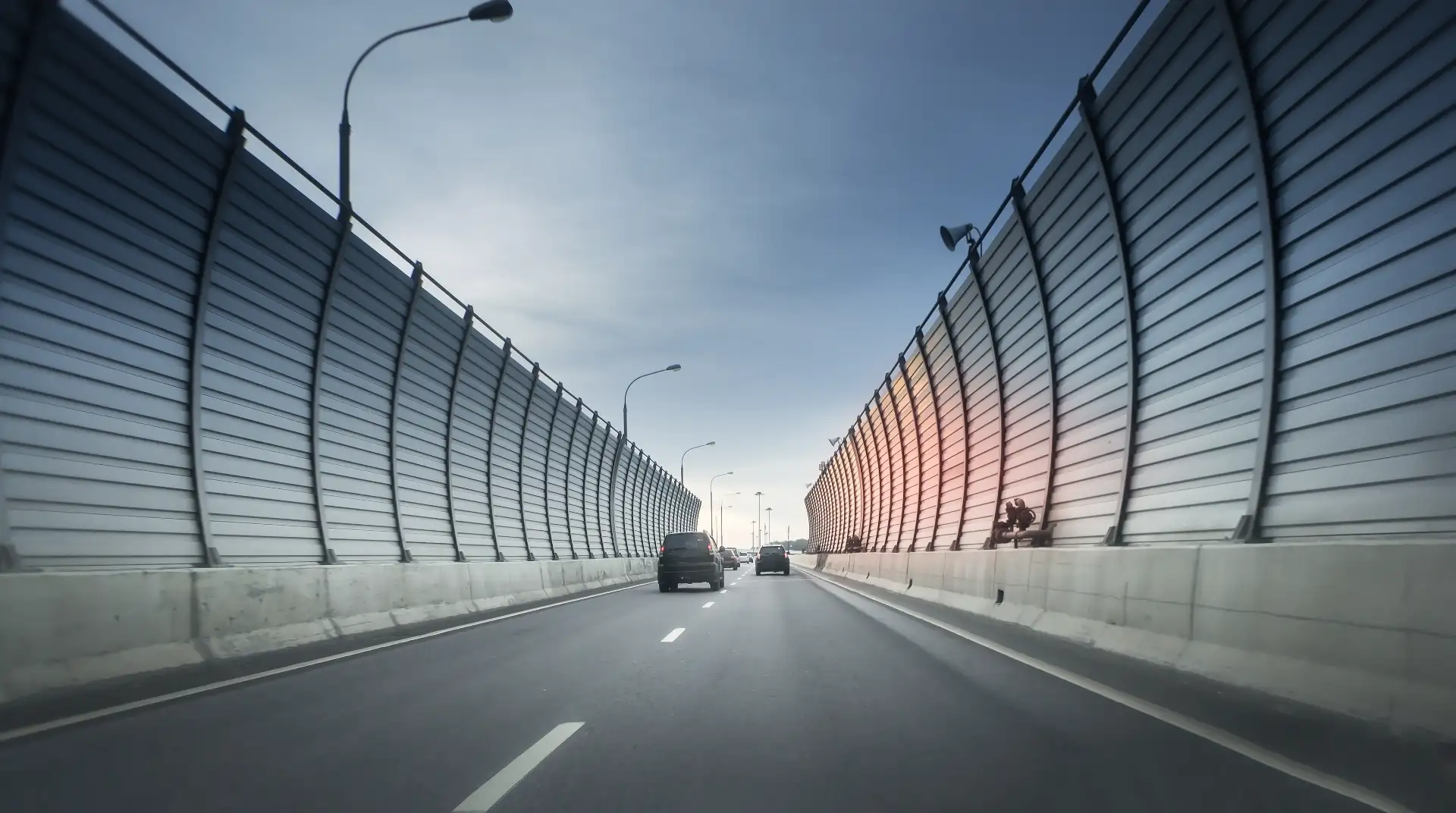
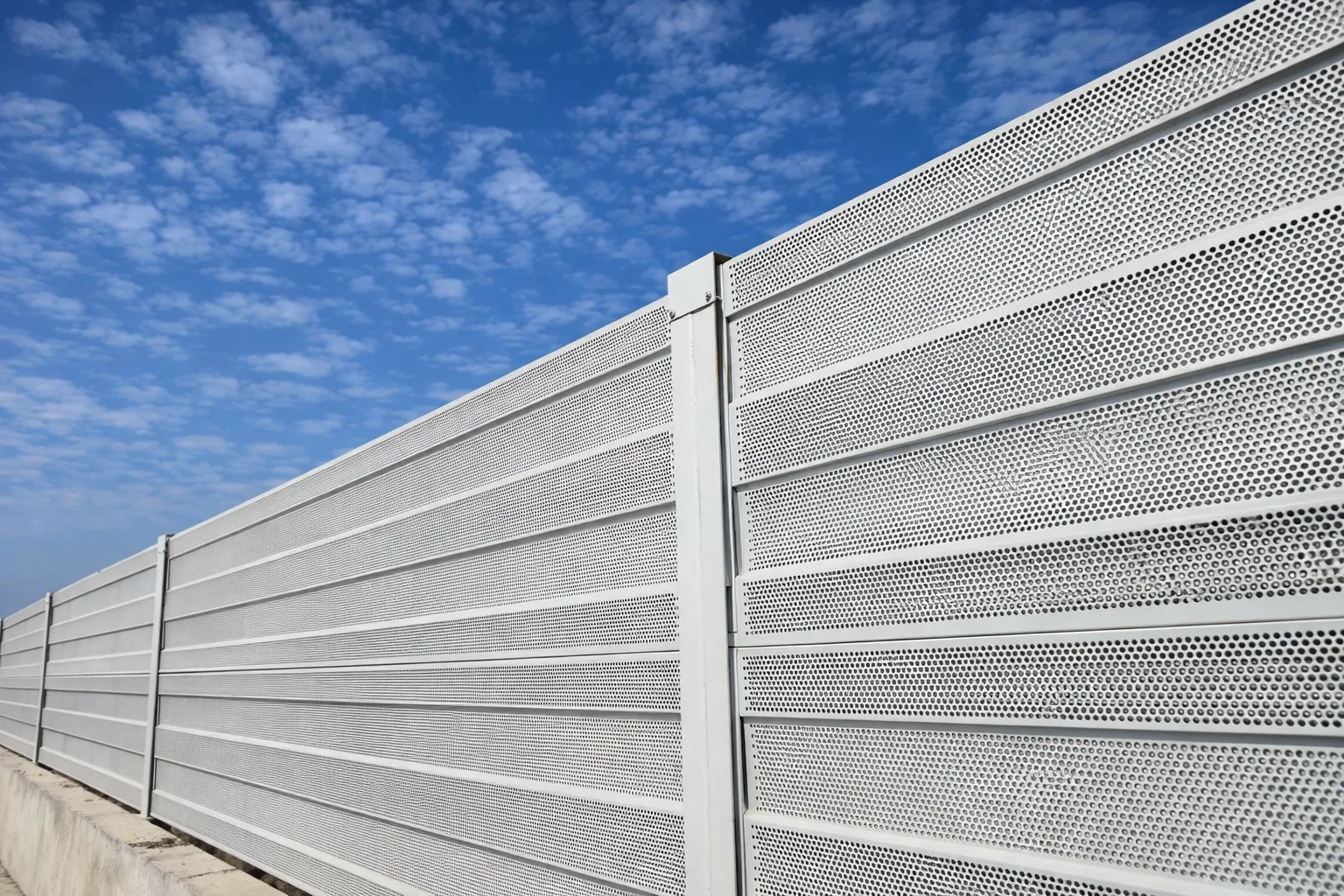
Acoustic barrier / screen
- Absorptive panels on the noise-facing sides
- 10–15 dB(A) at the receiver
- Minimal airflow impact
- Best when a modest reduction closes the gap
Acoustic enclosure
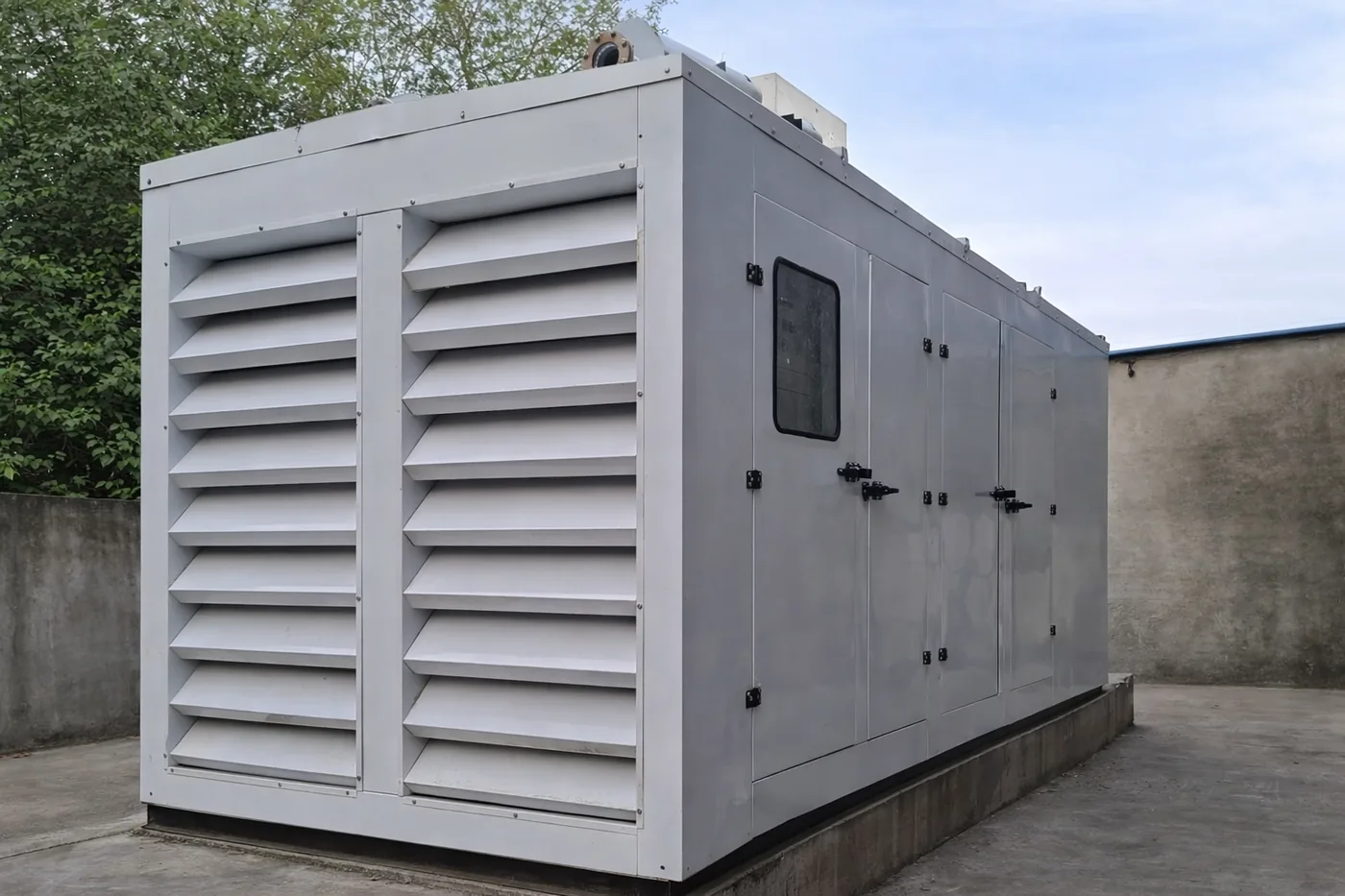
- Fully wraps the equipment with attenuated openings
- 15–25 dB(A) attenuation
- Needs engineered intake/discharge attenuators
- Best for tight residential boundaries
The Airflow Trade-off
This is where cheap solutions fail. A cooling tower must move huge volumes of air; wrap it too tightly and the fan is choked, capacity drops, and energy use rises. A correctly engineered barrier or enclosure uses acoustic louvers and splitter attenuators sized to keep pressure drop within the fan's capability — attenuating noise while preserving thermal performance. Getting this balance right is the whole job.
Writing the Specification
State the equipment sound-power/level data, the boundary target by zone, and — critically — the maximum allowable pressure drop across any attenuation so the tower is not de-rated. Specify absorptive panel NRC, corrosion-resistant construction for a wet rooftop environment, and a post-installation noise test at the boundary.
KBG Group Plant-Noise Solutions
KBG Group designs and installs acoustic barriers and enclosures for cooling towers, chillers, pumps and DG sets, balancing insertion loss against airflow so equipment keeps performing. Send the equipment noise data and boundary target for a designed solution and quotation.
Frequently Asked Questions
How loud is a cooling tower?
Cooling towers and air-cooled chillers typically produce 80–95 dB(A) at 1 metre from broadband fan and water noise, which often exceeds CPCB boundary limits near residential areas.
What noise reduction can an acoustic barrier give a cooling tower?
An absorptive acoustic barrier typically delivers 10–15 dB(A) at the receiver, while a full acoustic enclosure with attenuated openings can achieve 15–25 dB(A), depending on geometry and the boundary target.
Will an acoustic barrier reduce cooling tower performance?
Not if it is engineered correctly. The barrier or enclosure must use acoustic louvers and splitter attenuators sized to keep pressure drop within the fan capability, so noise is cut without choking airflow or de-rating the tower.
What CPCB limit applies to cooling tower noise?
The applicable limit is the ambient boundary limit for the zone: 75/70 dB(A) industrial, 65/55 commercial, 55/45 residential (day/night), under the Noise Pollution Rules, 2000.
Barrier or enclosure — which do I need?
A barrier suits a modest reduction where a screen closes the gap; a full enclosure is needed for larger attenuation against tight residential boundaries. The choice follows the required insertion loss at the boundary.