A Metro Station Is an Envelope Problem
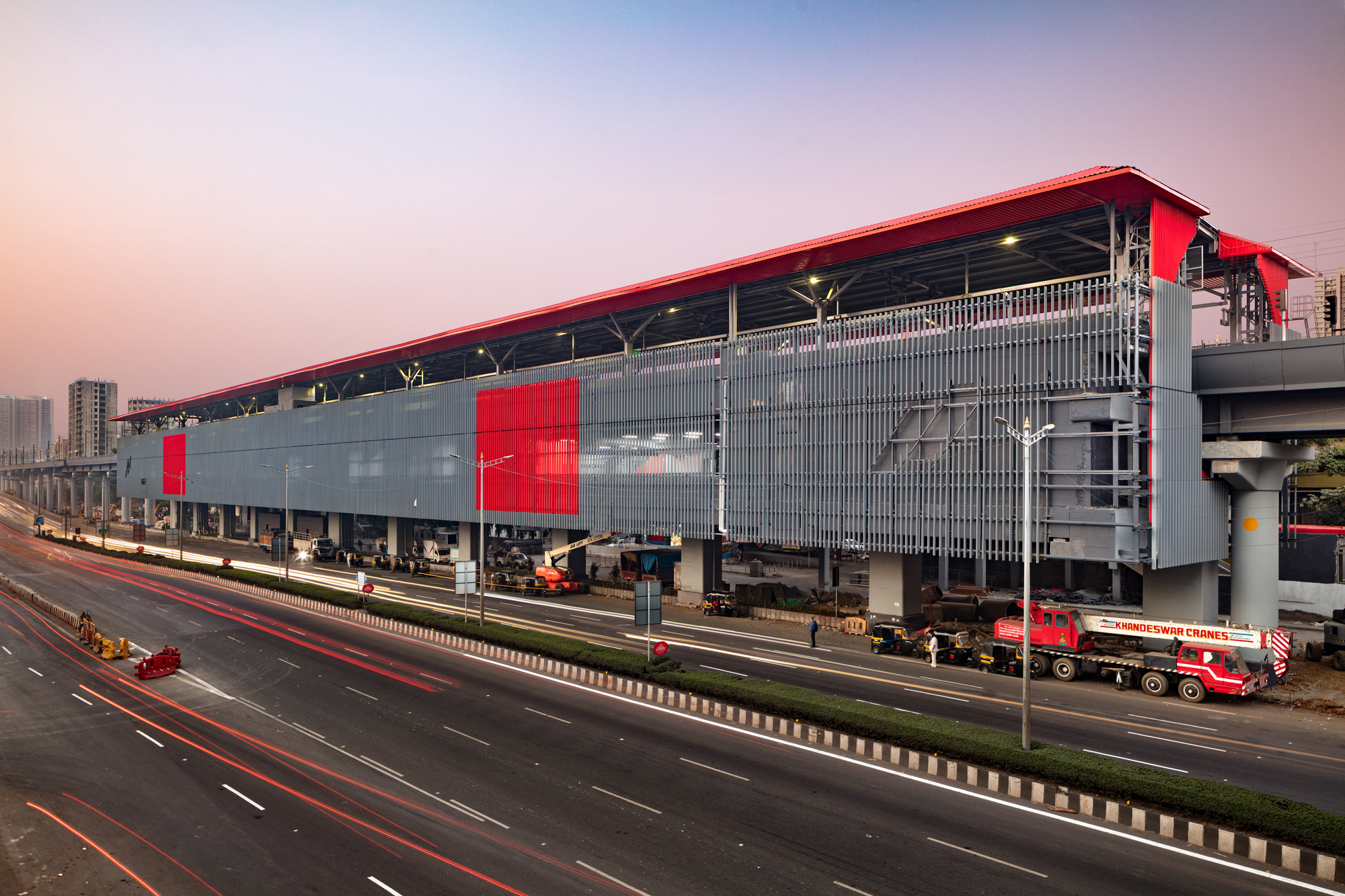
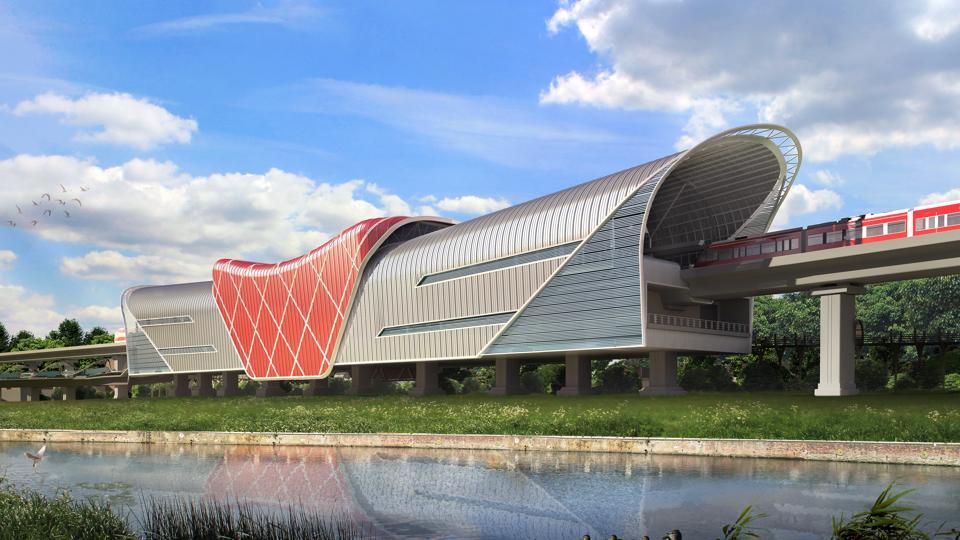
A modern metro station has to breathe, stay cool, keep out weather, survive a tunnel fire scenario, and look like a landmark — all through the same building envelope. On DMRC, MMRC (Mumbai Metro) and BMRCL (Bengaluru) projects, that means ventilation louvers, tunnel-ventilation dampers and architectural facade cladding are deeply interdependent. Procuring them piecemeal creates gaps at exactly the interfaces where air, fire and water have to be controlled.
What the Station Envelope Contains
Across underground and elevated stations, the envelope scope typically covers:
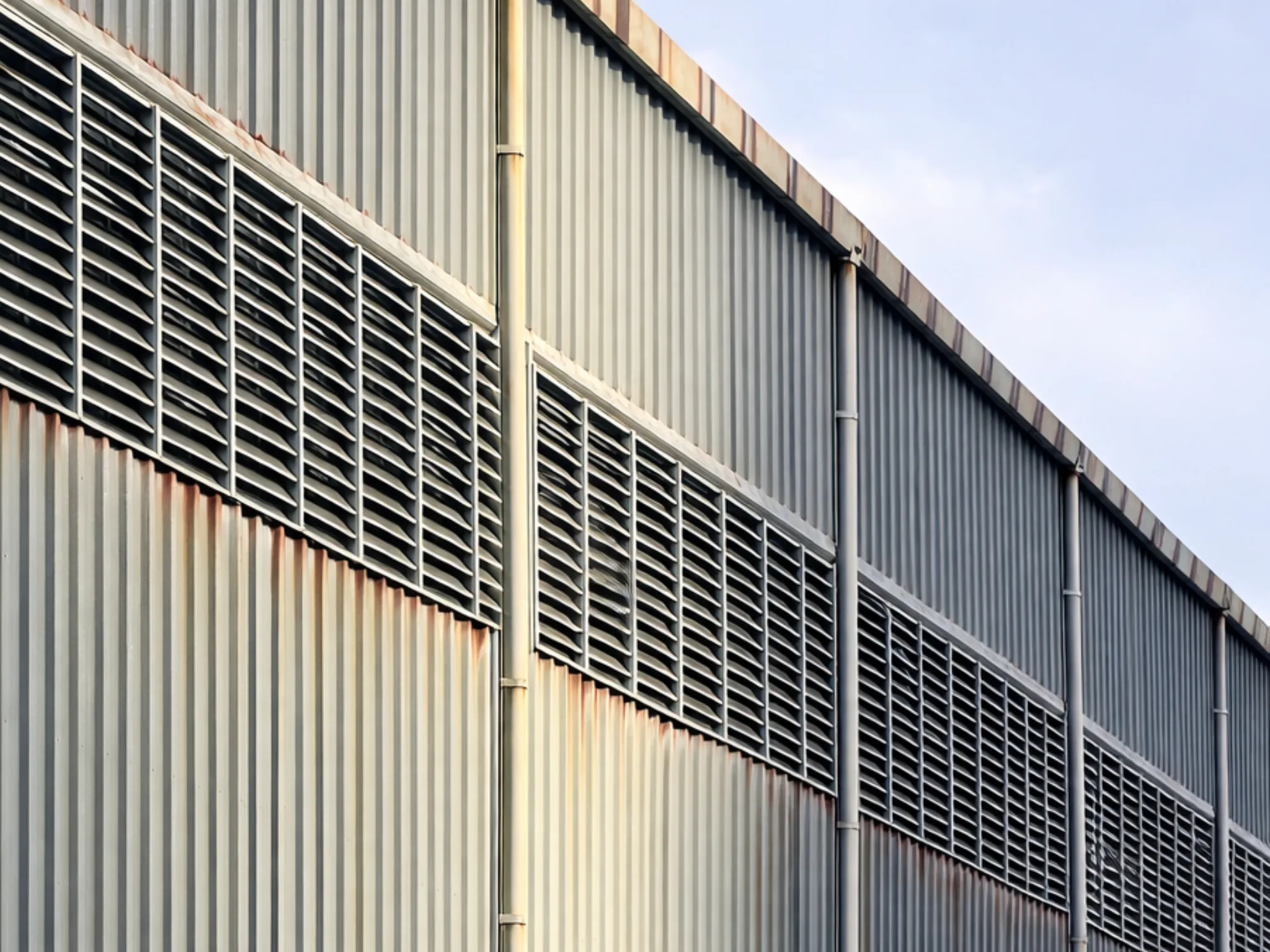
- Ventilation louvers — for concourse and platform environmental control and for the environmental control system (ECS) intakes/exhausts, generally specified to BS EN 13030.
- Tunnel-ventilation and smoke dampers — heavy-duty dampers in the tunnel-ventilation and under-platform exhaust systems, rated for the fire scenario.
- Architectural facade cladding — aluminium panels, fins and screens that give the station its identity and weatherproofing.
- Non-vision and acoustic louvers — screening plant and reducing noise to neighbours.
Standards and Compliance
Metro envelope work is tender-governed and standards-heavy. Ventilation louvers are commonly specified to BS EN 13030; performance louvers may additionally call for AMCA-rated air and water data; and metro clients frequently require BS EN 13030 weather-louver testing for wind-driven rain. Dampers in the tunnel-ventilation system carry fire ratings tied to the station fire strategy. Facade cladding must meet structural wind loading and the project's fire and finish specifications.
BS EN 13030
The recognised louvre rain-defence performance test on metro concourse and ECS intakes.
BS EN 13030
Wind-driven-rain testing for weather louvers, frequently called up by metro clients.
AMCA 500
Air-performance and water-penetration data for performance louvers.
Why Procure It as One Package
The strongest reason to package the envelope is that its parts share physical interfaces. A facade fin runs past a ventilation louver; a louver feeds a duct that holds a damper; a non-vision louver hides the plant behind the cladding. When these come from different suppliers on different programmes, the interfaces become nobody's responsibility — and that is where site delays, air leakage and water ingress appear.
Split across suppliers
- Interfaces owned by no one
- Mismatched finishes and module lines
- Sequencing clashes on site
- Water/air-leak disputes at handover
One coordinated package
- Single point of responsibility
- Consistent finish and grid across louver + facade
- Shop drawings coordinated once
- One programme, one snag list
Metro Procurement Checklist
When scoping a metro envelope tender or sub-package, confirm: the applicable louver standard (BS EN 13030 / AMCA 500-L) and the tested performance required; damper fire ratings against the station fire strategy; facade wind loading, fire class and finish (anodised or PVDF powder coat) with warranty; the module/grid coordination between facade and louvers; galvanising and corrosion protection for the local environment; and a single supplier's responsibility for the shared interfaces. Ask for evidence of comparable metro supply.
KBG Group on Metro Rail Projects
KBG Group has supplied ventilation louvers, dampers and facade cladding to metro and infrastructure projects, and can scope a station envelope as one coordinated package — standards-compliant, finish-matched and delivered on one programme. Send your station drawings and tender specs for a coordinated scope and quotation.
Frequently Asked Questions
What does a metro station ventilation and facade package include?
Typically ventilation louvers (often to BS EN 13030), tunnel-ventilation and smoke dampers rated to the station fire strategy, architectural facade cladding (aluminium panels, fins and screens), and non-vision/acoustic louvers to screen and quieten plant.
What standards apply to metro ventilation louvers?
Ventilation louvers are commonly specified to BS EN 13030; performance and weather louvers may additionally require AMCA 500 air/water data and BS EN 13030 wind-driven-rain testing, as set by the metro client tender.
Why procure the metro envelope as one package?
Because the louvers, dampers and facade cladding share physical interfaces. A single coordinated supplier owns those interfaces, keeps finishes and grids consistent, and removes the sequencing clashes and leak disputes that arise when the scope is split.
Which metro authorities does this apply to?
The same envelope logic applies across Indian metro clients including DMRC (Delhi), MMRC/MMRDA (Mumbai) and BMRCL (Bengaluru), each of which tenders ventilation, damper and facade scopes with standards-based specifications.
What finish is used on metro facade cladding?
Metro facades typically use anodised aluminium or PVDF powder coating, chosen for durability, colour retention and warranty; the choice follows the client specification and the local environment.