
Surface preparation decides coating life
The single biggest determinant of how long an industrial coating lasts is not the paint — it is the surface preparation underneath it. The great majority of premature coating failures trace back to poor preparation: paint applied over mill scale, rust, salts or a wrong profile simply loses adhesion and peels, whatever its quality. So a bulk painting specification starts with the standard of cleanliness and profile, not the colour.
- Cleanliness — to a defined grade (e.g. ISO 8501-1 Sa 2½ near-white blast, equivalent to SSPC-SP10) removing scale, rust and contaminants.
- Surface profile / anchor pattern — the roughness the coating keys into, specified as a range for the coating system.
- Soluble salts & cleanliness — controlled before coating, because trapped salts drive blistering and under-film corrosion.
The preparation method follows the standard required. Abrasive blasting — shot (spherical, for cleaning and peening) or grit/angular abrasive (for a sharp profile) — is the workhorse for structural steel; open sand blasting is increasingly restricted for health reasons in favour of controlled grit media. Mechanical preparation (power-tool cleaning) is for touch-up and areas that cannot be blasted, and generally gives a lower-grade result than blasting.
Coatings & Corrosion
- Corrosion of infrastructure steel is a major lifecycle cost, which is why protective coating systems are specified to defined preparation and thickness standards.
- Surface-preparation grades (ISO 8501 / SSPC-SP) and coating thicknesses are the two variables inspectors check most, because they most affect coating life.
- Applying coatings outside the specified temperature and humidity window (near the dew point) is a common, avoidable cause of early failure.
The coating system and dry film thickness
An industrial protective coating is a system of coats, each with a job: a primer (often zinc-rich epoxy) for corrosion protection and adhesion, an intermediate/build coat (e.g. epoxy) for barrier thickness, and a topcoat (e.g. polyurethane) for weather and UV resistance and colour. The system is chosen for the environment and design life using frameworks such as ISO 12944 (corrosivity categories). For steel that will be galvanized and painted, a duplex system gives the longest life.
Dry film thickness (DFT) is how the barrier is quantified. Each coat and the total system have a specified DFT; the corrosion protection depends on achieving it. Both extremes are faults — too thin and the barrier is inadequate; too thick and the coat can crack, sag or fail to cure. DFT is measured across the work with a gauge and recorded, and it is one of the numbers a coating inspector checks most.
| Coat | Typical role | Checked by |
|---|---|---|
| Primer (zinc-rich epoxy) | Corrosion protection & adhesion | DFT, adhesion |
| Intermediate (epoxy) | Barrier build thickness | DFT |
| Topcoat (polyurethane) | Weather, UV, colour | DFT, appearance |
| Whole system | Design-life protection | Total DFT, holiday test |
Two numbers decide most coating outcomes: the surface-preparation grade and the dry film thickness. Get those right and recorded, and most of the risk is gone.
Inspection, factory vs site, and custom-engineered systems
A bulk painting package is controlled by inspection at the right hold points, not by looking at the finished colour. The checks that matter: ambient conditions (relative humidity, steel and dew-point temperature) before and during application; surface-preparation grade and profile after blasting; wet and dry film thickness during and after each coat; adhesion (cross-cut or pull-off); and holiday / pinhole testing with a detector to find discontinuities in the film on critical items.
Factory vs site: paint as much as possible in the factory, where blasting, temperature, humidity and DFT are controlled and the result is repeatable; keep site work to final coats, joints and touch-up, which are harder to control. A specification that maximises shop coating and minimises field application usually buys the longer coating life.
The same discipline applies to custom-engineered metal systems. A custom item moves from the consultant's drawing through shop drawings to fabrication, coating and QA — and the coating and preparation are part of that QA, not an afterthought. Whether a project is design-build (the manufacturer engineers to a performance brief) or build-to-drawing (fabricating to the consultant's detail), an EPC contractor selecting a fabrication and coating partner should check the quality system (ISO 9001), in-house preparation and DFT capability, test and inspection records, and comparable past projects before award.
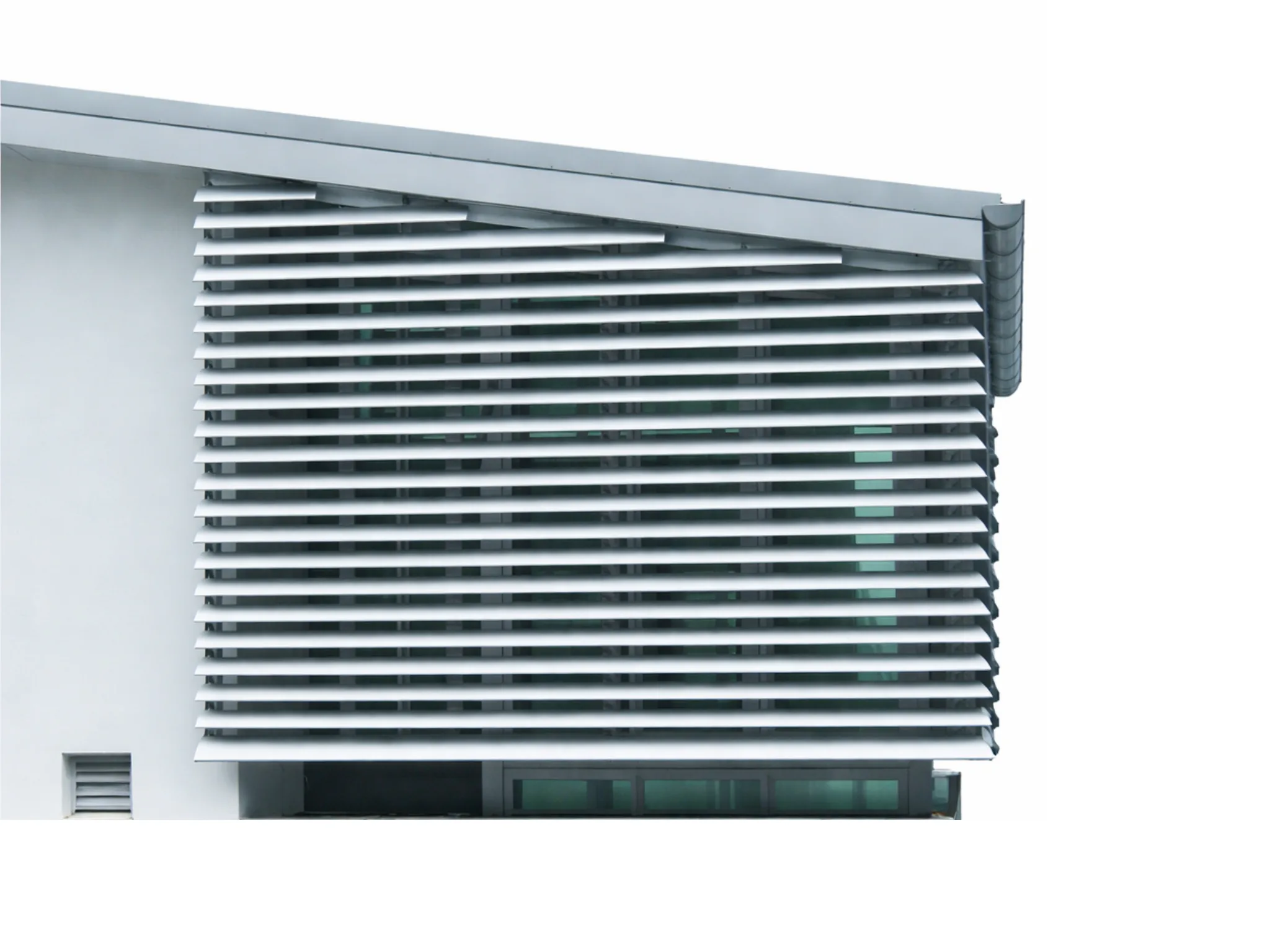
KBG Group delivers bulk industrial painting, protective coatings and custom-engineered metal systems for infrastructure — from surface preparation and system application to fabrication of custom aluminium and steel assemblies, with the inspection records EPC packages require. See the guides to metro package procurement and architectural facade fins for related scope.
Frequently Asked Questions
Why is surface preparation so important before painting?
Because most premature coating failures trace to poor preparation — paint over mill scale, rust, salts or the wrong profile loses adhesion and peels regardless of paint quality. Cleanliness (e.g. ISO 8501 Sa 2½) and the specified surface profile are what the coating keys into.
What is DFT and why does it matter?
DFT is dry film thickness — the thickness of the cured coating. Each coat and the total system have a specified DFT that the corrosion protection depends on; too thin gives an inadequate barrier and too thick can crack, sag or fail to cure, so DFT is measured and recorded across the work.
What is the difference between shot blasting and sand/grit blasting?
Shot blasting uses spherical media for cleaning and peening; grit/angular abrasive produces a sharp surface profile for coating adhesion. Open sand blasting is increasingly restricted for health reasons in favour of controlled grit media; power-tool (mechanical) preparation is for touch-up and gives a lower-grade result.
Is factory painting better than site painting?
Generally yes. Factory painting controls blasting, temperature, humidity and DFT for a repeatable result, so best practice maximises shop coating and limits site work to final coats, joints and touch-up, which are harder to control and more failure-prone.
What should an EPC contractor check before selecting a coating and fabrication partner?
The quality system (ISO 9001), in-house surface-preparation and DFT capability, test and inspection records (surface grade, DFT, adhesion, holiday testing), coating-system experience for the corrosivity category, and comparable completed projects.
Planning a bulk painting or custom fabrication package?
Our engineers review specifications and share test data at no cost. Typical response within one business day.