Why the Envelope Matters in a Data Centre
A hyperscale or colocation data centre lives or dies on air and uptime. The louvers on its facade and the enclosures around its plant are not cosmetic details — they decide whether the cooling system gets clean air, whether monsoon or desert dust reaches the CRAC filters, and whether the site passes its boundary noise assessment. For an MEP consultant, getting the louver-and-enclosure package right early avoids expensive redesign at commissioning.
The Data-Centre Air Path
Outside air enters through intake louvers, is filtered and conditioned, and cools the white space; heat is rejected through chillers and cooling towers, with DG sets as standby power. Each of these touchpoints has an envelope component with a job to do:
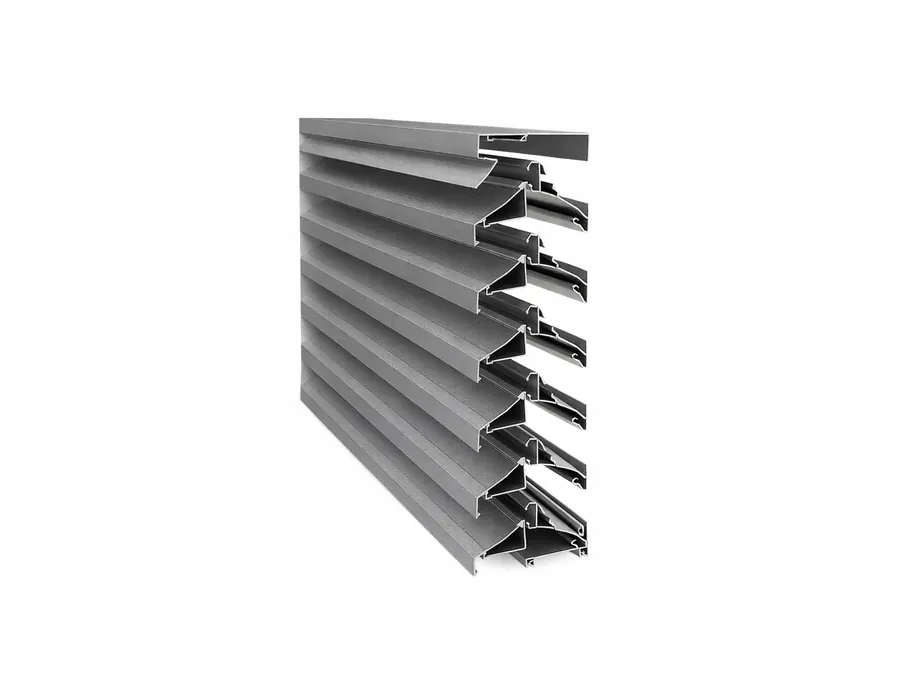
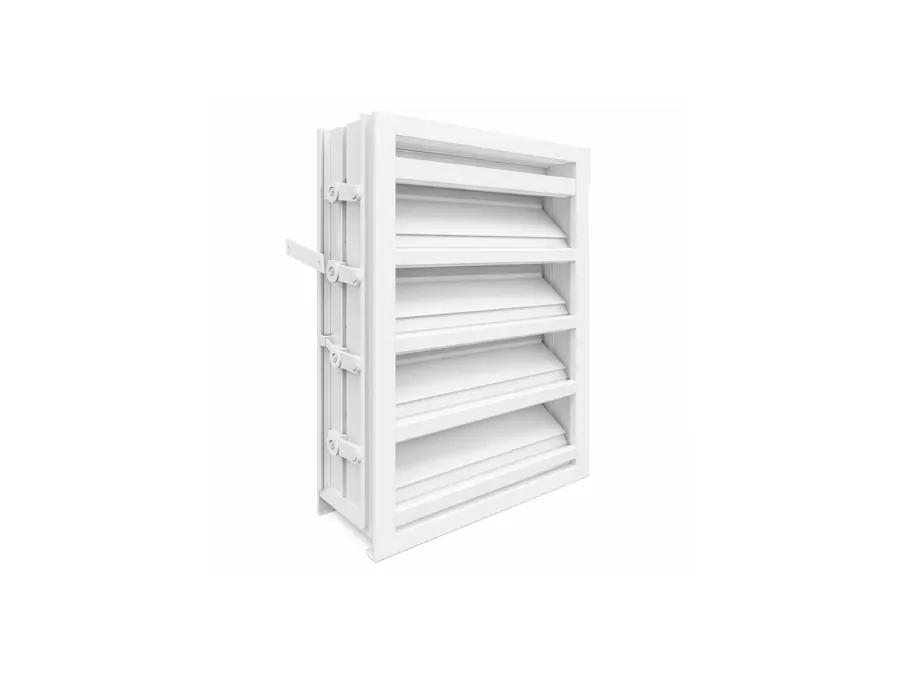
Intake louvers
Pass large airflow at low pressure drop while blocking rain, and — on dusty sites — airborne sand.
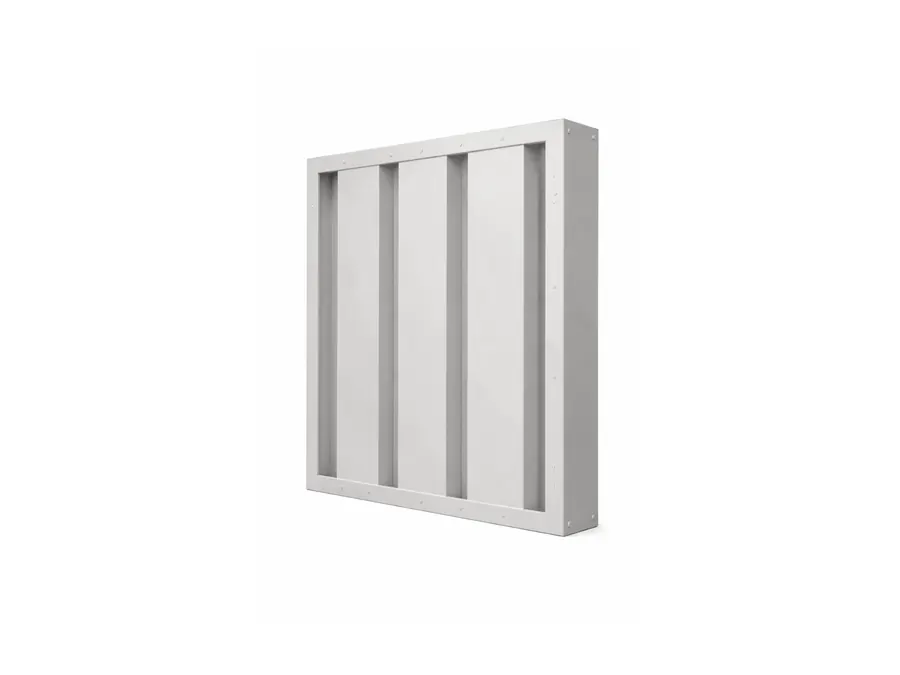
Acoustic louvers
Ventilate plant rooms and generator halls while cutting escaping noise.
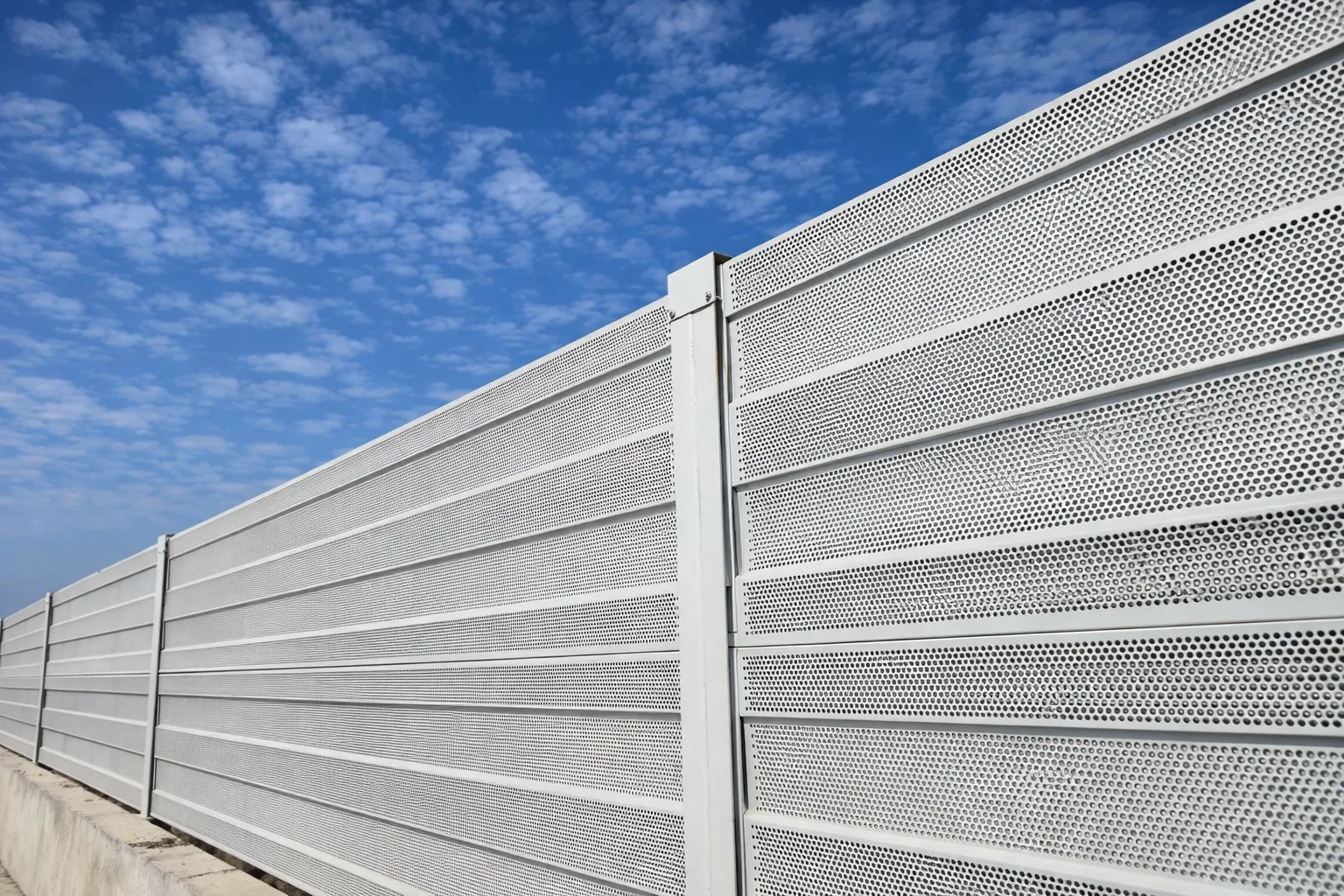
Acoustic enclosures
Wrap chillers, cooling towers and DG sets to hold the site within its boundary noise limit.
Choosing the Intake Louvers
Data-centre intakes move enormous airflow, so the two figures that matter are free area (how much of the louver is actually open) and water-penetration performance at the design wind-driven rain. Under-specify and you either choke the airflow or let water into the filter bank. On arid or coastal-desert sites, add a sand-trap stage to protect filters and equipment.
Acoustic Enclosures for the Plant
Chillers, cooling towers and DG sets are the noise sources that put a data centre in conflict with its neighbours. The design has to deliver the required insertion loss at the boundary while preserving the airflow that keeps the plant cool — the same balance covered in our cooling-tower and DG-room guides. For a data centre this is compounded by redundancy: N+1 plant means multiple enclosures, each engineered so a running unit still meets both its airflow and noise targets.
Design for the worst-case running scenario: the boundary limit must be met with the actual mix of plant that runs on a hot day at night, not just a single unit on a test bench.
Writing the Data-Centre Envelope Specification
A robust spec states, for each intake: the design airflow, maximum face velocity and pressure drop, free-area and rain-defeat class (to AMCA 500-L), aluminium alloy and finish for the site environment, and a sand-trap stage where required. For each acoustic enclosure: the equipment sound data, boundary target by zone (per the CPCB Noise Pollution Rules), maximum allowable pressure drop, panel NRC, corrosion-resistant construction, and a post-installation boundary noise test. Requiring a single supplier to coordinate louvers and enclosures avoids the interface gaps that cause site problems.
KBG Group for Data-Centre Projects
KBG Group manufactures and installs performance intake louvers, sand-trap louvers, acoustic louvers and acoustic enclosures as a coordinated package, sized to a data centre's airflow, climate and boundary noise limit, and backed by ISO 9001:2015 quality. Share your intake airflow, boundary target and site climate for a specified, quoted solution.
Frequently Asked Questions
What louvers does a data centre need?
Performance intake louvers with high free area and tested rain-penetration performance (to AMCA 500-L), plus acoustic louvers for plant and generator rooms. On arid or coastal-desert sites, add a sand-trap stage to protect filters and equipment.
How is data-centre plant noise controlled?
Chillers, cooling towers and DG sets are wrapped in acoustic enclosures or screened with acoustic barriers, engineered to deliver the required insertion loss at the boundary while preserving the airflow the plant needs to stay cool.
What noise limit applies to a data centre?
The site must meet the CPCB ambient boundary limit for its zone under the Noise Pollution Rules, 2000 — as low as 55 dB(A) day and 45 dB(A) night in residential areas — with the actual worst-case running plant, not a single unit.
What free area should a data-centre intake louver have?
Performance intake louvers should offer 50% or more free area at a design face velocity around 3 m/s, specified to a tested standard (AMCA 500-L) rather than to a blade profile, so airflow and rain defeat are both guaranteed.
Should louvers and enclosures come from one supplier?
Coordinating intake louvers, acoustic louvers and acoustic enclosures through a single supplier removes the interface gaps between trades that commonly cause airflow or noise problems at commissioning.