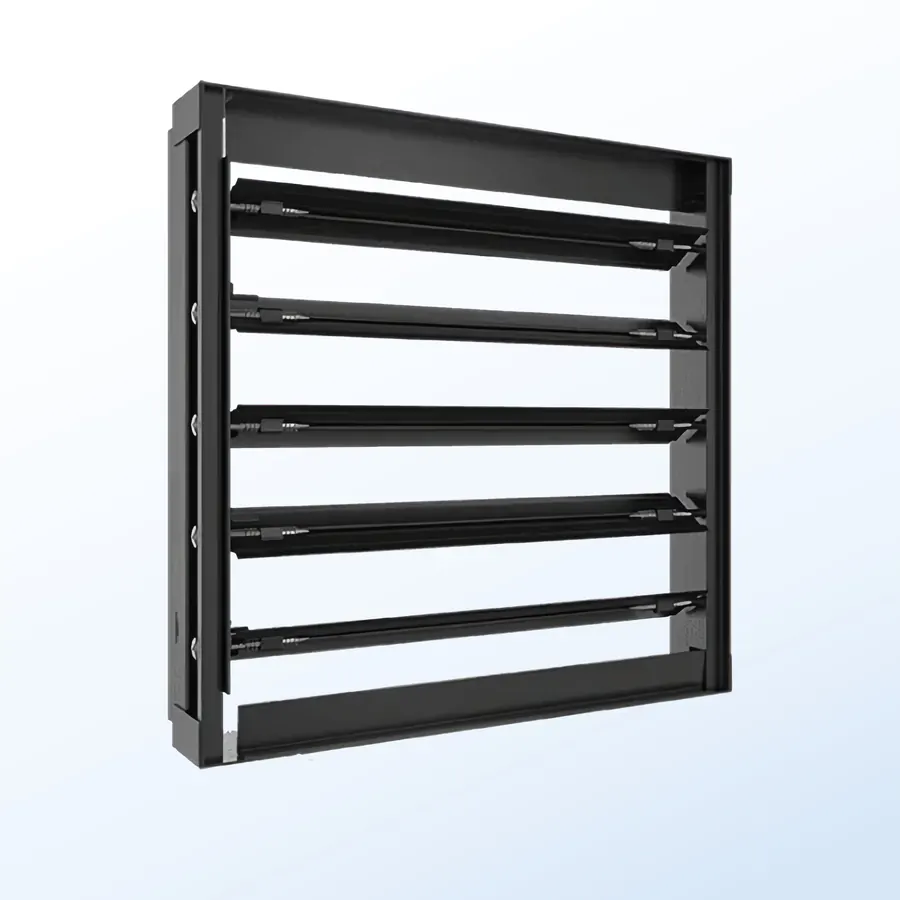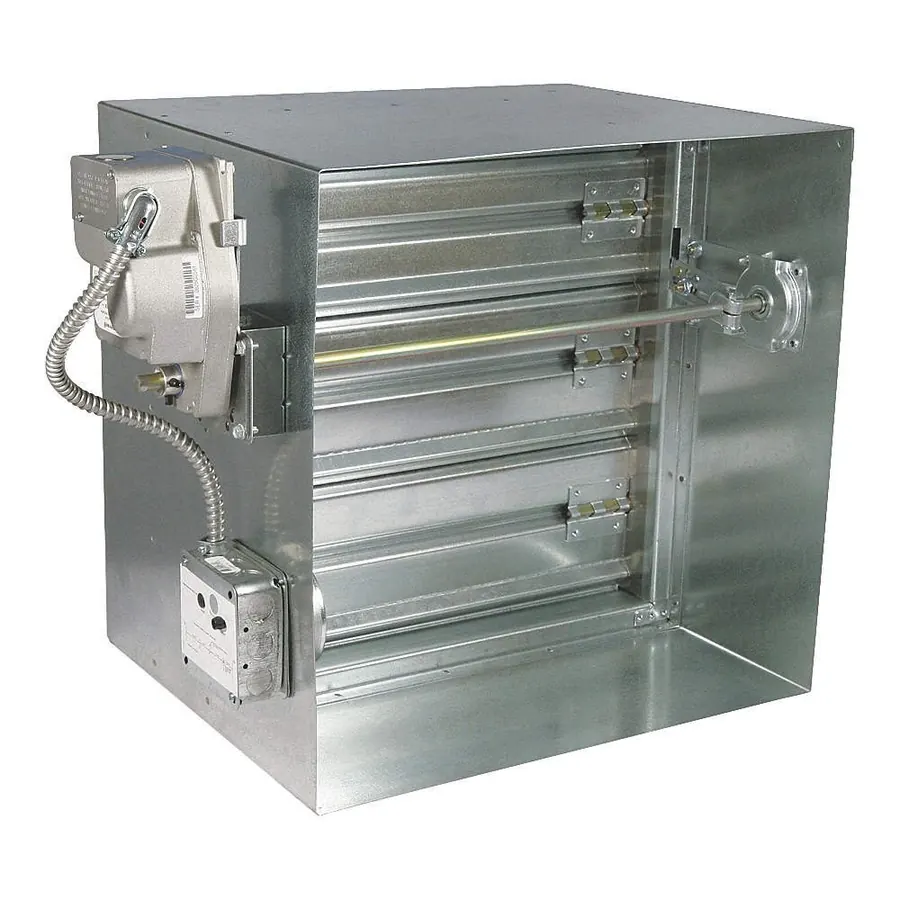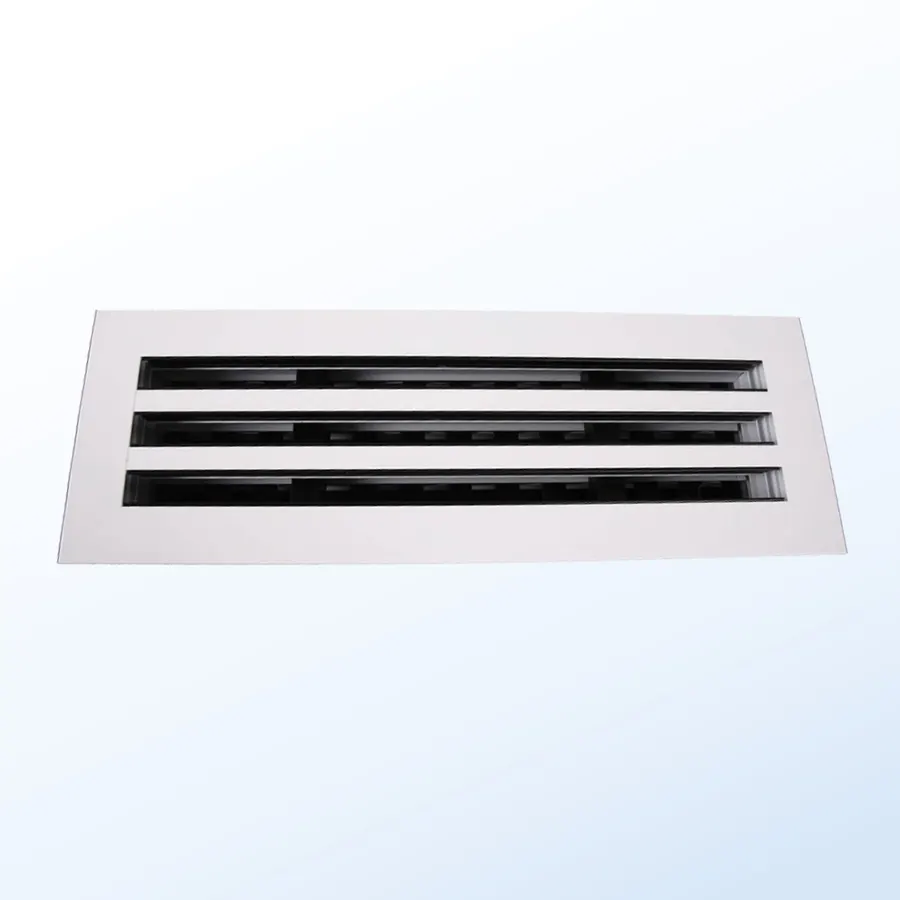
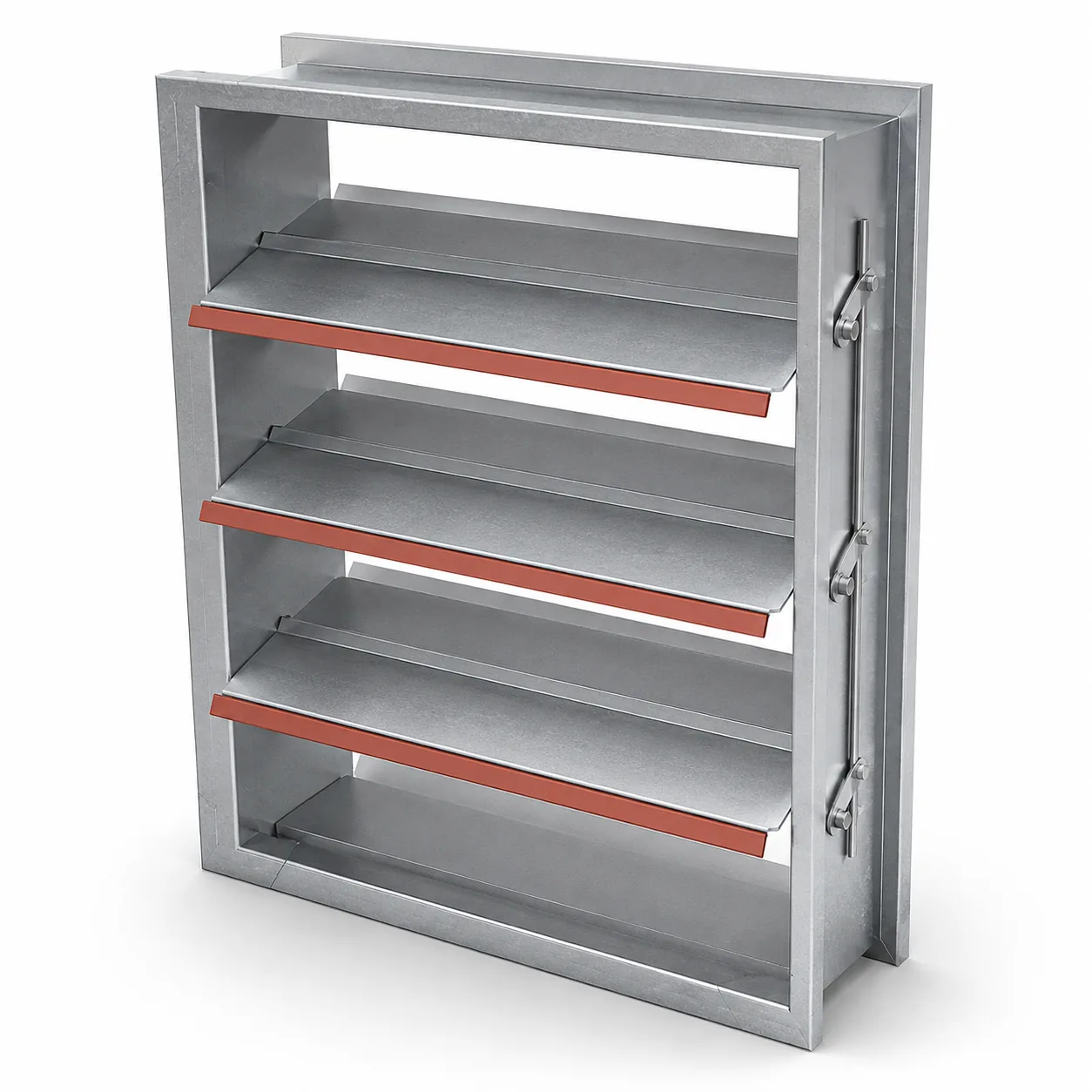
What defines a high-performance damper
A general balancing damper and a high-performance control damper can share a shape and cost several times as much — because they are rated for very different duties. A high-performance damper is defined by measured numbers, not adjectives: how little it leaks when closed, how much pressure it holds, how accurately it controls flow, and how much torque it needs to operate reliably over its life.
- Leakage — the airflow through the damper fully closed, tested to AMCA Standard 500-D and reported as a leakage class.
- Pressure rating — the differential pressure and velocity the damper is built to control against without deforming or leaking.
- Control accuracy — how linearly the damper modulates flow across its travel (blade design and authority).
- Torque — the operating torque, which sizes the actuator and governs reliability.
Dampers, Leakage & Energy
- Damper aerodynamic performance and leakage are measured by AMCA Standard 500-D, letting dampers be compared on the same basis.
- A "closed" damper that leaks wastes conditioned air or outside air continuously, so low-leakage matters most on isolation and outside-air sections.
- Actuator torque must exceed the damper's operating torque with margin, or the damper stalls or fails to seal under pressure.
Leakage class and how to read the report
Leakage is the number that separates a genuine low-leakage damper from a standard one. It is measured to AMCA 500-D and expressed as a leakage rate (airflow per unit area) at a stated pressure, grouped into classes — the tightest classes needing blade edge seals and jamb seals to achieve. When a report is offered, check the same things every time:
| Check | What to confirm |
|---|---|
| Standard | AMCA 500-D named explicitly |
| Leakage class | Rate stated at a defined test pressure |
| Tested model | The report matches the damper model and size class offered |
| Seals | Blade + jamb seals present for low-leakage claims |
| Pressure/velocity | Rated pressure and velocity cover the application |
Specify low-leakage by class and test standard, not by the word "low". A damper without edge and jamb seals will not hit a tight leakage class, whatever the datasheet says.
Pressure, blade design and actuator torque
Higher pressure differential demands a stiffer blade and frame; a light balancing blade will bow and leak under industrial pressures, so high-pressure applications need a purpose-built damper. Blade design — aerofoil vs flat, opposed vs parallel — sets both the pressure drop and the control linearity (see the volume control damper guide for the opposed-vs-parallel detail).
Finally, actuator torque must be sized from the damper area, the operating torque per unit area and the working pressure, with margin — an under-torqued actuator stalls partway or fails to drive the seals closed. Large dampers are split into multiple sections with intermediate supports and, often, multiple actuators. KBG Group manufactures low-leakage and high-performance control dampers with AMCA-referenced leakage data, edge/jamb seals and correctly sized actuation for industrial and infrastructure duty.
Frequently Asked Questions
What makes a damper "high-performance"?
Measured duty, not description: a tested leakage class (AMCA 500-D), a defined pressure/velocity rating, linear control accuracy from the blade design, and a correctly sized operating torque. General balancing dampers are not rated to these.
What is damper leakage class and how is it tested?
Leakage class describes the airflow through a fully closed damper, measured to AMCA Standard 500-D as a rate per unit area at a stated pressure. The tightest (low-leakage) classes require blade edge seals and jamb seals to achieve.
When should low-leakage dampers be specified?
Where a closed damper leaking wastes energy or defeats a control sequence — isolation dampers, outside-air sections and tight shut-off duties. General in-line balancing dampers can accept higher leakage.
How is damper actuator torque selected?
From the damper area, the operating torque per unit area and the working pressure, with margin. Under-sizing the actuator causes the damper to stall partway or fail to drive its seals closed under pressure; large dampers use multiple sections and actuators.
Specifying performance dampers for an industrial project?
Our engineers review specifications and share test data at no cost. Typical response within one business day.