What coastal air actually does to an intake
India's data centre capacity is concentrated where the landing stations, power and fibre are — which means Mumbai and Navi Mumbai, Chennai, and increasingly other coastal metros. That puts a great deal of continuously operating cooling plant in salt air.
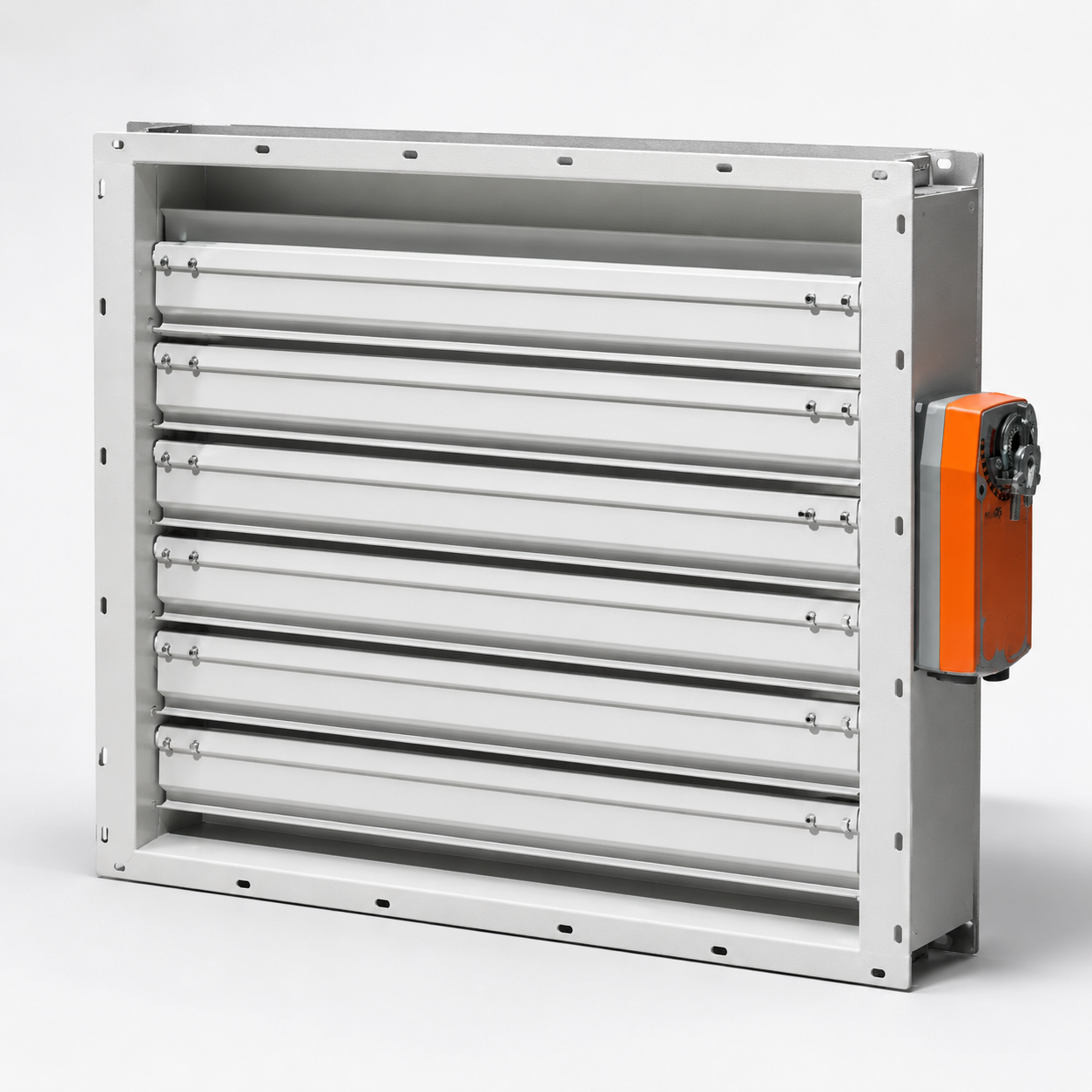
An intake louver in that setting is in a harsher position than the same louver on a nearby office facade, and for a reason that is easy to miss: it is not merely exposed to salt air, it is pumping it. Cooling plant runs around the clock, so salt-laden air is actively transported onto and through the blades every hour of the year. The specific mechanisms:
- Chloride deposition on and between blades, which is hygroscopic and holds moisture against the metal long after rain has stopped.
- Accumulation in sheltered geometry — the drainage channels and blade undersides that rain never washes, but airflow keeps supplying.
- Galvanic attack at fixings, where dissimilar metals meet in a permanently damp, conductive environment.
- Urban pollutants added on top — sulphur compounds and particulates from traffic and industry, which acidify deposits and accelerate attack.
- Cut and worked edges, where coatings are thinnest and the substrate is most accessible.
None of this is fast. That is the problem: the specification decision is made years before the consequence appears, and by then the component is embedded in a live facility.
Where Corrosion Resistance Comes From
- Aluminium's resistance depends on alloy and temper; extruded sections to IS 1285 in an alloy consistent with IS 733 give predictable, specifiable properties.
- Durability is a system — pre-treatment, coating type and film thickness — not a single property, and pre-treatment quality governs more of the outcome than coating choice.
- Performance-based coating specifications such as AAMA 2605 for organic coatings on aluminium extrusions give a reference point for durability clauses.
Alloy, section and fixings
Corrosion resistance is built in three layers, and the specification has to address all three.
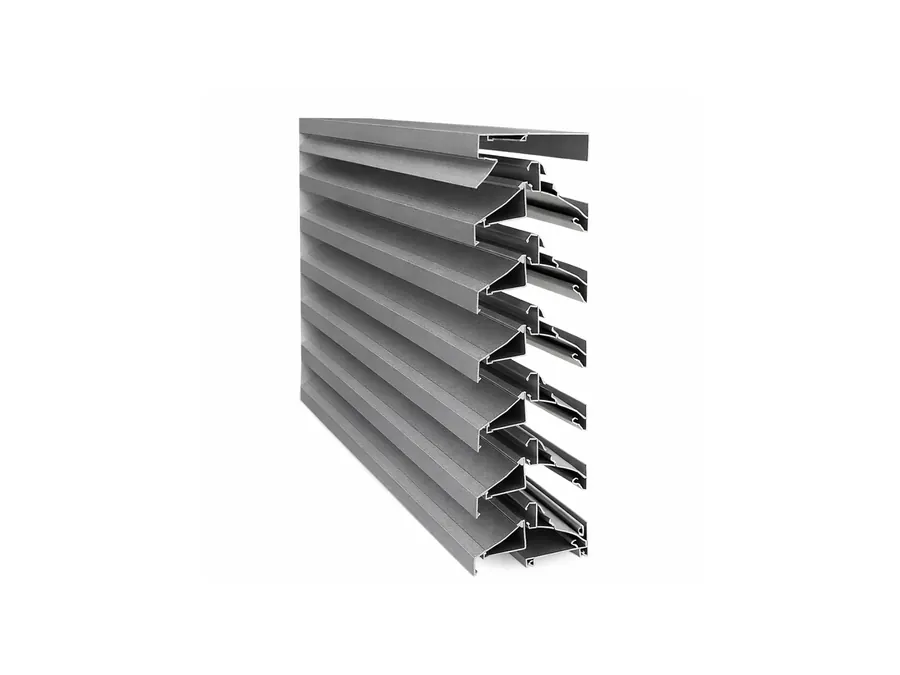
The alloy. Aluminium's corrosion behaviour depends on its alloying elements and temper. Extruded sections to IS 1285, in an alloy and temper consistent with IS 733 for wrought products, give a known starting point — which is the real argument for extrusion over folded sheet on a coastal intake, alongside the structural predictability. A specification that says only "aluminium louver" has not specified the material at all.
The section. Geometry affects corrosion life. Blades that drain completely hold less deposit than blades with pockets; a section thick enough to tolerate some surface loss has a longer life than one sized to the structural minimum. On a coastal intake it is worth accepting slightly heavier sections than the wind-load calculation strictly demands.
The fixings. This is where coastal louvers most often fail first, and it is the cheapest thing to get right. Dissimilar metals in contact in a damp, chloride-rich environment set up a galvanic cell, and the attack concentrates at precisely the points that carry load. Stainless fasteners of an appropriate grade, with isolation between dissimilar materials where required, should be stated explicitly — including for sub-frames, brackets and mesh retention, not just the visible screws.
Coastal louvers rarely fail in the middle of a blade. They fail at a fastener nobody specified, in a channel nobody could reach.
The same logic governs marine ventilation louvers, where salt exposure is continuous by definition — our guide to marine louver corrosion and coatings covers the harder end of the same problem.
Choosing the coating
Three systems are realistically in play, and the choice is usually less important than how it is specified.
| System | Strength | Limitation | Coastal data centre fit |
|---|---|---|---|
| Anodising | Integral oxide, no film to peel, abrasion resistant | Narrower colour range, local repair difficult | Strong, especially on intake banks |
| PVDF | High durability, colour retention, repairable | Applied film over substrate | Strong, good where colour matters |
| Polyester powder | Cost, colour range | Lower durability in chloride exposure | Sheltered, accessible elevations only |
Two points matter more than the row you pick.
Pre-treatment governs the outcome. Most coating failures in aggressive environments are adhesion failures that begin at the interface, not degradation of the coating itself. The cleaning and conversion process before coating therefore deserves as much specification attention as the coating, and it should be evidenced rather than assumed. Our guide to protective coatings and film thickness covers how that is controlled and measured.
State film thickness and ask for evidence. "PVDF coated" is a material, not a specification. A minimum dry film thickness, measured and recorded, is what makes the clause enforceable at inspection. Performance references such as AAMA 2605 are useful where a durability-based clause is wanted. The fuller comparison is in powder coating versus anodising.
Access, inspection and washing
A coastal intake has a maintenance requirement, and whether that requirement can actually be met is decided by the building, not the louver. The questions to settle at design stage:
- Can the bank be reached? An intake at high level with no permanent access will not be washed, whatever the maintenance schedule says.
- Can it be washed down without wetting the plenum? Which depends on sill and drainage detailing being designed for cleaning as well as for rain.
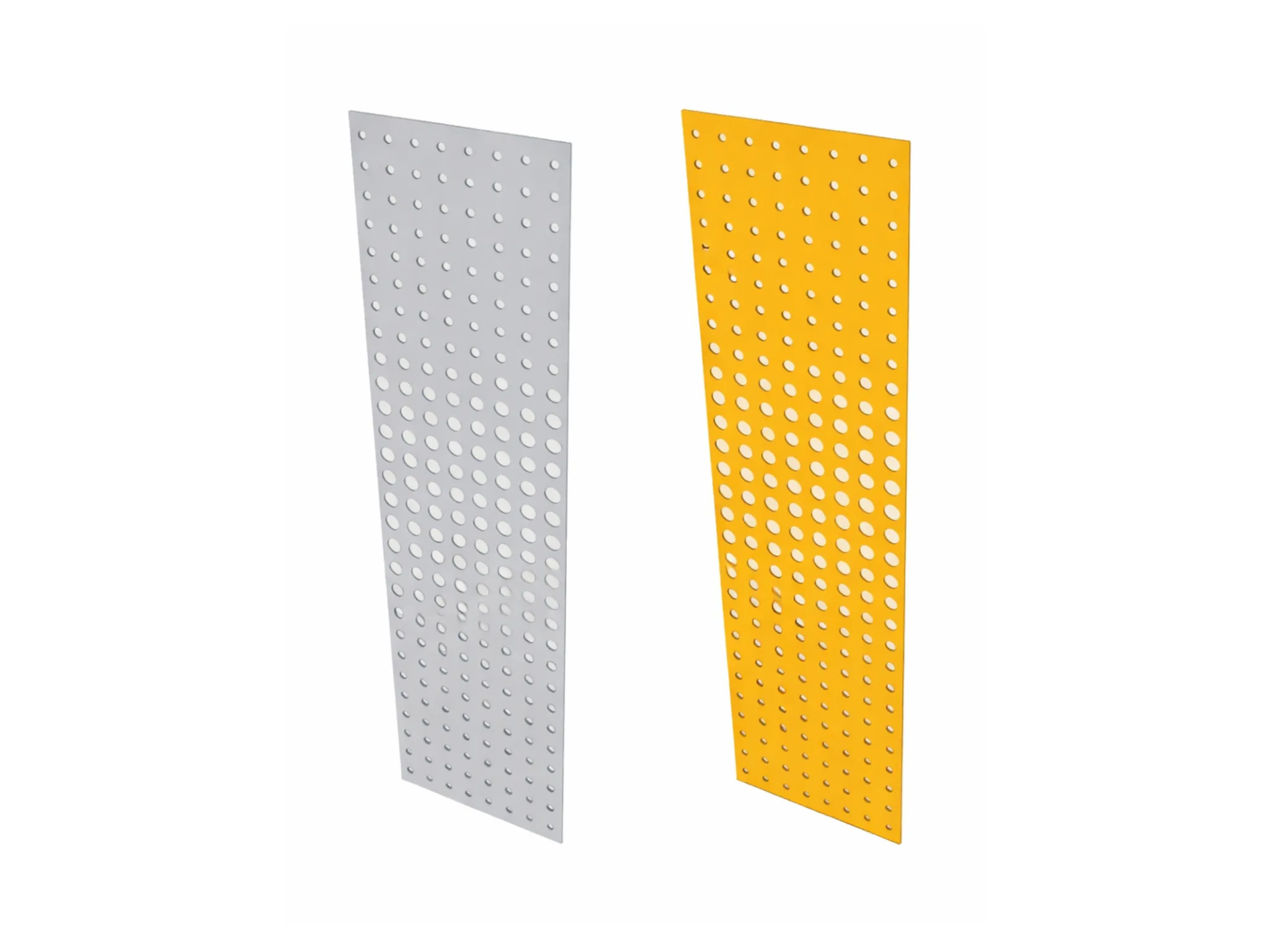
- Can mesh be removed and refitted? Bird mesh traps salt and blocks progressively; if it cannot be serviced, it becomes a growing pressure drop nobody can fix.
- Can a panel be replaced without a cooling outage? If the answer is no, the intake is a single point of failure, and that should be a conscious decision rather than an accident of layout.
These interact directly with the sizing argument in our guide to data centre intake louver sizing: an intake sized generously at low face velocity is not only more efficient but more tolerant of the deposit build-up that coastal sites guarantee between washes.
KBG Group manufactures extruded aluminium louvers in corrosion-resistant grades with anodised and PVDF architectural finishes and stainless fixings, and supplies marine-grade ventilation and access systems for the most aggressive exposures. Tell us the site, the exposure and the intended inspection cycle, and we will specify alloy, coating and fixings to match the service life rather than the tender price.
Frequently Asked Questions
Why do coastal data centre louvers corrode faster than expected?
Because the intake is continuously drawing salt-laden air across the component. A louver on a normal building sees salt deposition from weather; an intake louver on continuously running cooling plant has salt actively transported onto and through it every hour. Deposits that would be washed off by rain on an exposed face accumulate in sheltered blade channels and at fixings, where they hold moisture against the metal.
Is anodising or PVDF better for a coastal data centre?
Both are durable; they fail differently. Anodising is an integral oxide layer with excellent abrasion resistance and no film to peel, but it is harder to repair locally and offers a narrower colour range. PVDF is a highly durable applied coating with better colour retention and easier touch-up, but it remains a film over the substrate. For continuously wetted salt exposure, either is a defensible choice provided the pre-treatment and film thickness are specified and evidenced — the pre-treatment matters more than the choice between them.
What causes corrosion at louver fixings?
Galvanic action between dissimilar metals. Carbon-steel or incorrectly specified fasteners in contact with aluminium in a damp, salt-laden environment set up a cell that attacks the assembly at exactly the points carrying load. Stainless fixings of an appropriate grade, with isolation where needed, are the standard defence, and the detail is worth stating explicitly in the specification rather than left to the installer.
How often should coastal data centre louvers be inspected?
On a defined cycle set at design stage, with access designed in. The failure mode is gradual and hidden — deposits in blade channels, early attack at fixings and cut edges — so it is found by inspection rather than by symptom. The practical requirement is that intake banks can be reached, washed down and inspected without taking cooling capacity out of service.
Specifying louvers for a coastal or high-humidity data centre?
Our engineers review specifications and share test data at no cost. Typical response within one business day.